
Contextual bandits and how learning systems actually behave
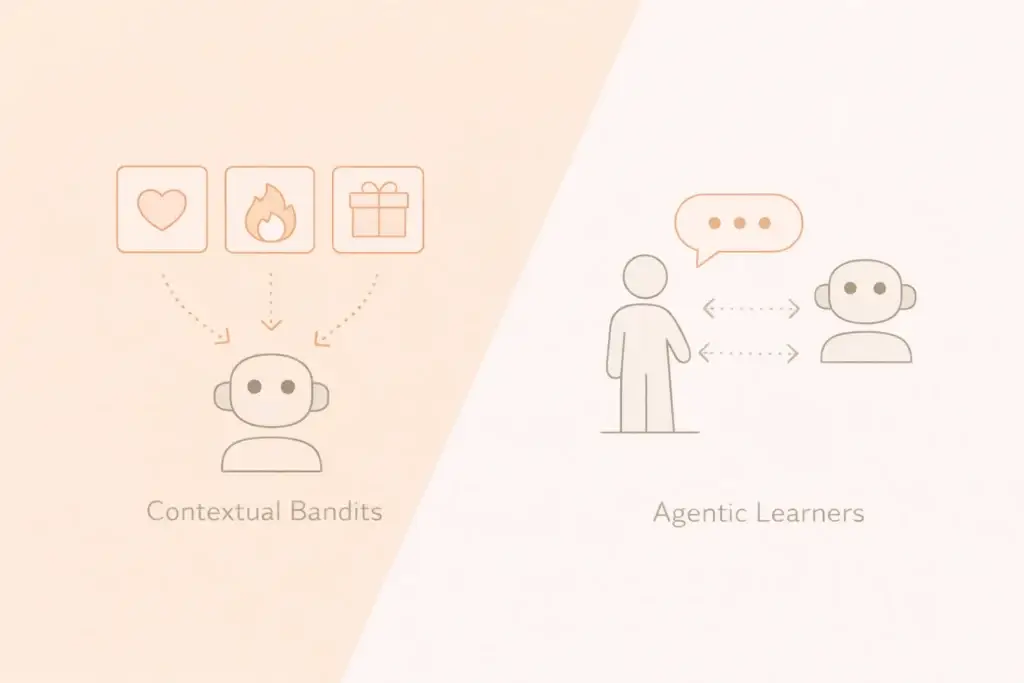
Contextual bandits are a great idea in general. It’s just that they’re usually implemented to make several specific, poor decisions. Contextual bandits are one of the workhorses of modern decisioning. They show up in marketing, recommendations, ranking, and experimentation systems because they solve a simple problem: you have several things you could do, you do […]
Better Than Targeting: Aampe’s Agentic Approach to Learning From Users

Marketers often talk about “learning what works” as if that means identifying which types of users respond best. The logic goes: find the attributes that correlate with success, target those users, and scale. That approach feels data-driven. It isn’t. A recent International Journal of Research in Marketing paper makes the weakness visible. The authors tested […]
Why Results Don’t Simply Double After Merging a 50/50 Aampe vs. Business-as-Usual Split
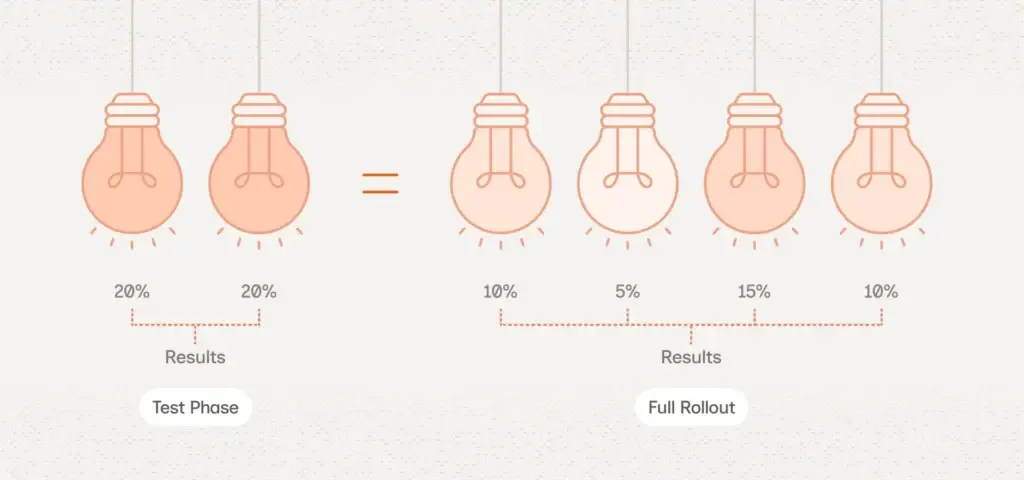
Many customers begin by running Aampe alongside their business-as-usual (BAU) messaging approach. A common design is a 50/50 split: after reserving a small group of users as a global holdout, half of the remaining users receive communication from Aampe, half continue with BAU. When the Aampe half shows strong results, customers sometimes have the expectation […]
Why Every Event Matters
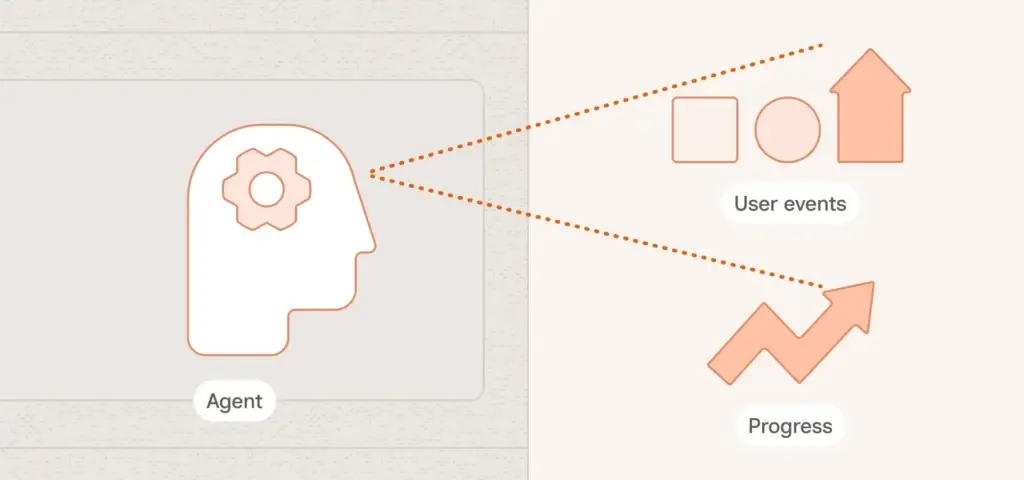
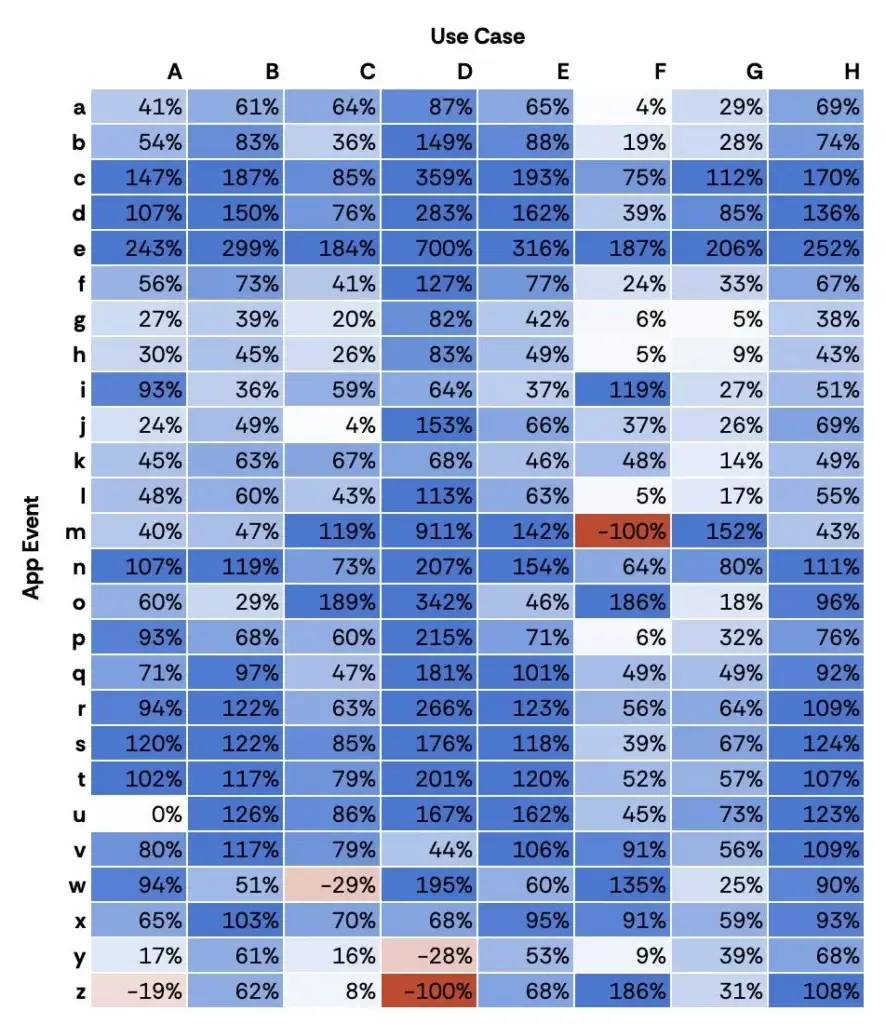
Agentic systems can only learn from what they can see. If the event stream contains only a narrow slice of user behavior, then the system’s view of the product experience is fragmented and incomplete. This paper explains why including the full range of user events – core and peripheral alike – is critical for effective […]
How Agentic Learners handle Time-based Cycles without breaking
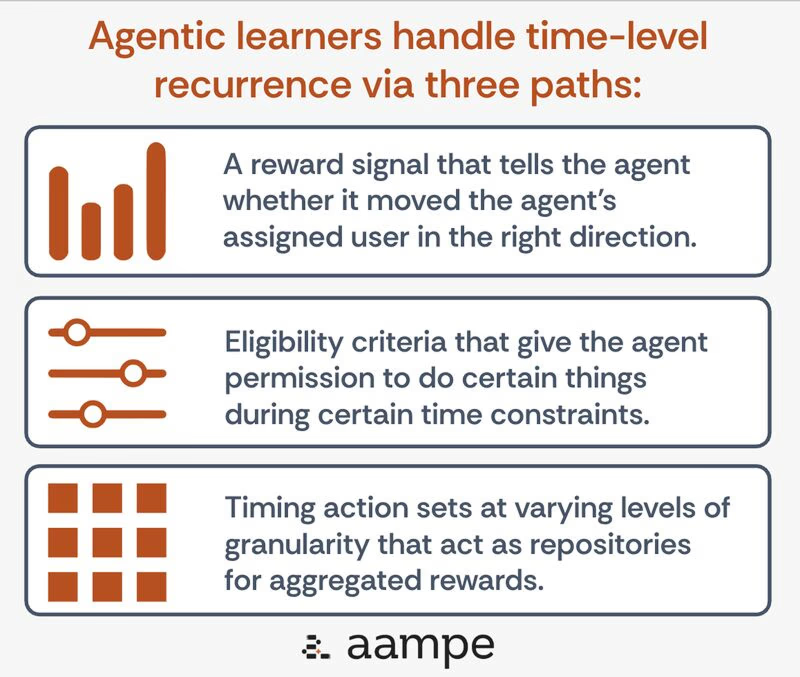
A lot depends on implementation, so I can only speak to the agentic learners I’ve designed, but one question that comes up often is how they handle time-based events like subscription cycles, product launches, holidays, and seasonality. This touches on an important point about agent design in general.First thing to understand: recurring events (like subscription […]
Why Agentic Systems don’t operate over a huge State Space
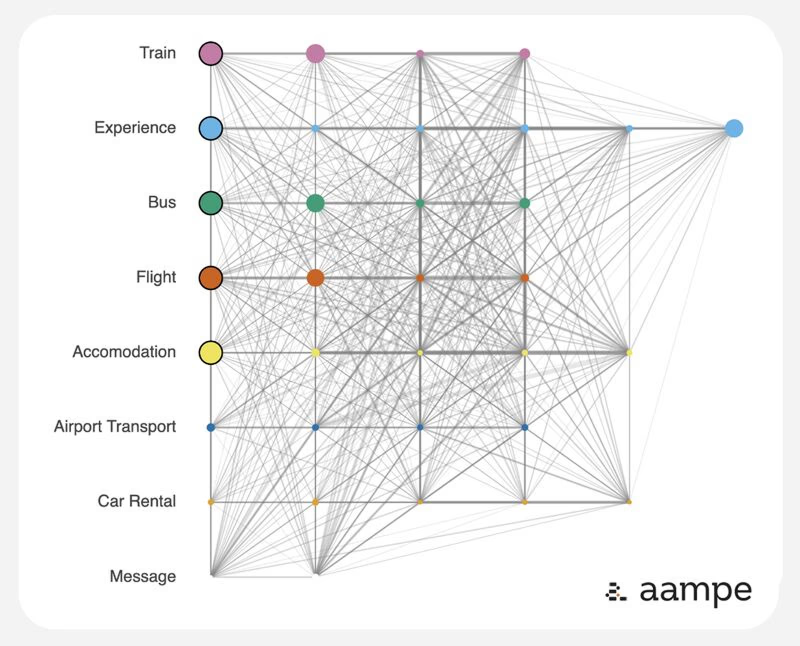
Agentic systems don’t operate over a huge, chaotic message space. They operate over structured action sets — defined semantic categories that make up a treatment policy. At Aampe, a typical treatment policy might be composed from action sets: day of week, time of day, channel, value proposition, product/offering, tone of voice, incentive level/type, and so […]
How Agentic Learners judge success without Fixed Funnels
A common question: how can agentic learners recognize what counts as a “good” outcome when different users are at very different stages of their lifecycle?The answer is that agents don’t solve this explicitly. They solve it implicitly through the structure of the reward function.If you define a bottom-of-funnel event like “complete a purchase” as the […]
Goals vs. Signals: What Agents really learn from
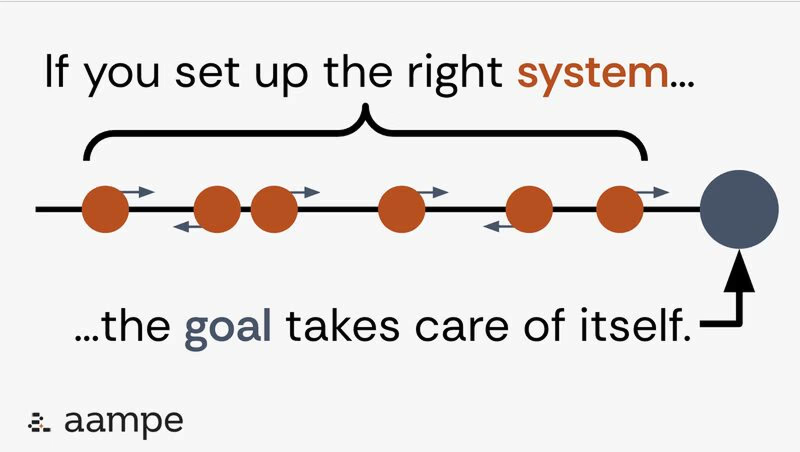
Most businesses measure success in terms of long-term outcomes: retention, subscriptions, lifetime value. Those are the right outcomes to care about. But they’re not the right signals for agents to learn from in real time.An agent sending a message can’t directly observe retention six months later. What it can observe is whether the message shifted […]
Layering A/B Testing and Agentic Learning for Better Results
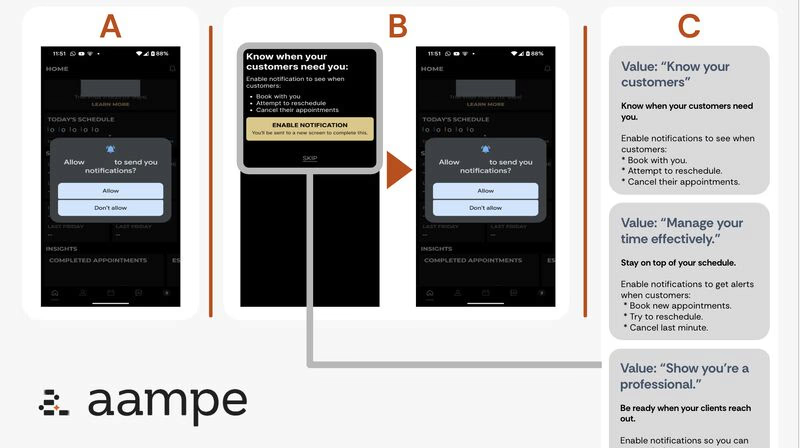
Yesterday I wrote about situations where A/B tests can still be essential, even if you’re committed to an agentic-learner approach. Let’s expand on that a little. Take a look at the screenshots below. I’ve added a third notification opt-in workflow (“C”) to the two variants I discussed in my previous post: A: Standard OS popup. […]
Choosing Target Events for Agentic Learning
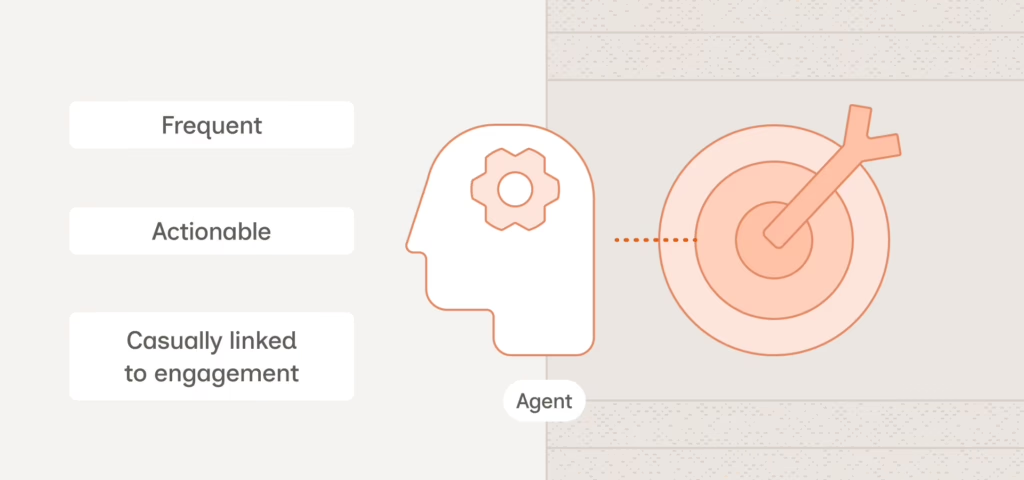
At the core of Aampe’s agentic learning system lies a simple idea: we personalize not only what to communicate to users, but when to communicate it. To do that effectively, we must understand what we’re trying to accomplish in each communication. This is not just a messaging problem—it’s a causal one. If we can’t define […]