
Agentic Architecture in Action: Aampe’s Dual-Path Personalization Strategy
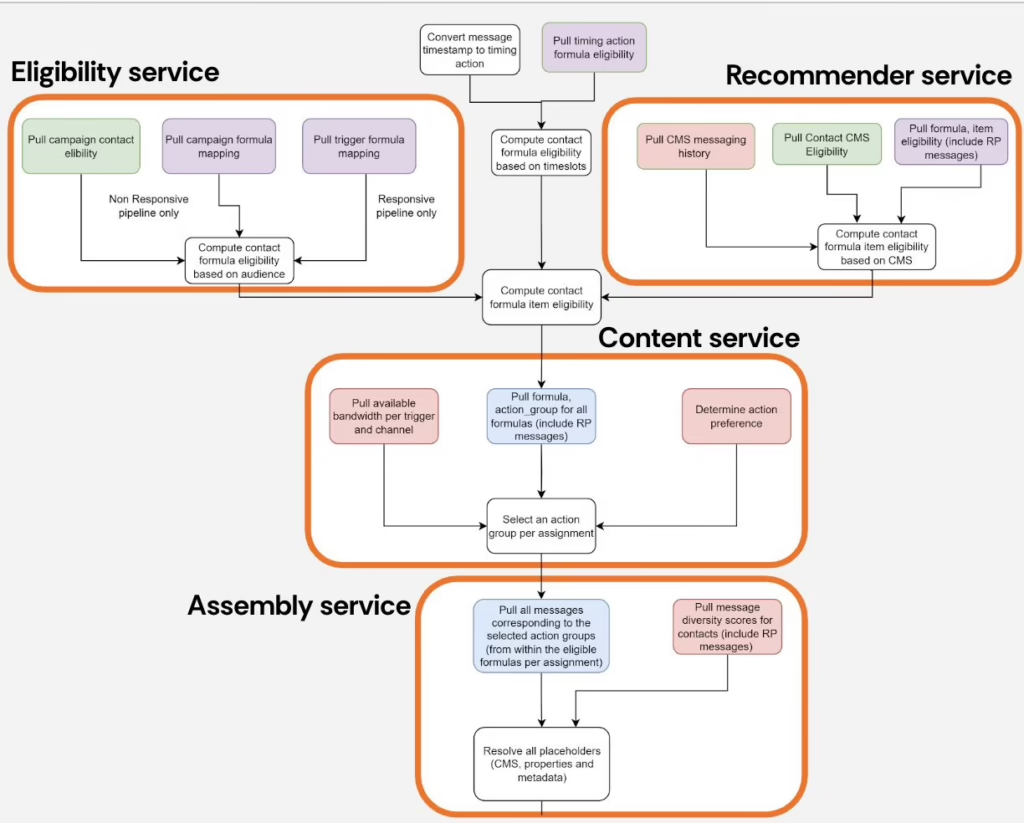
Here is a diagram of our agentic architecture (well, part of it). See the top-right box: “recommender service”? Let’s talk about that. At Aampe, we split copy personalization into two distinct decisions: Which item to recommend How to compose the message that delivers it Each calls for a different approach. For item recommendations, we use […]
Building a Multi-Tenant Event Processing Pipeline: A Dive into Pub/Sub Architecture
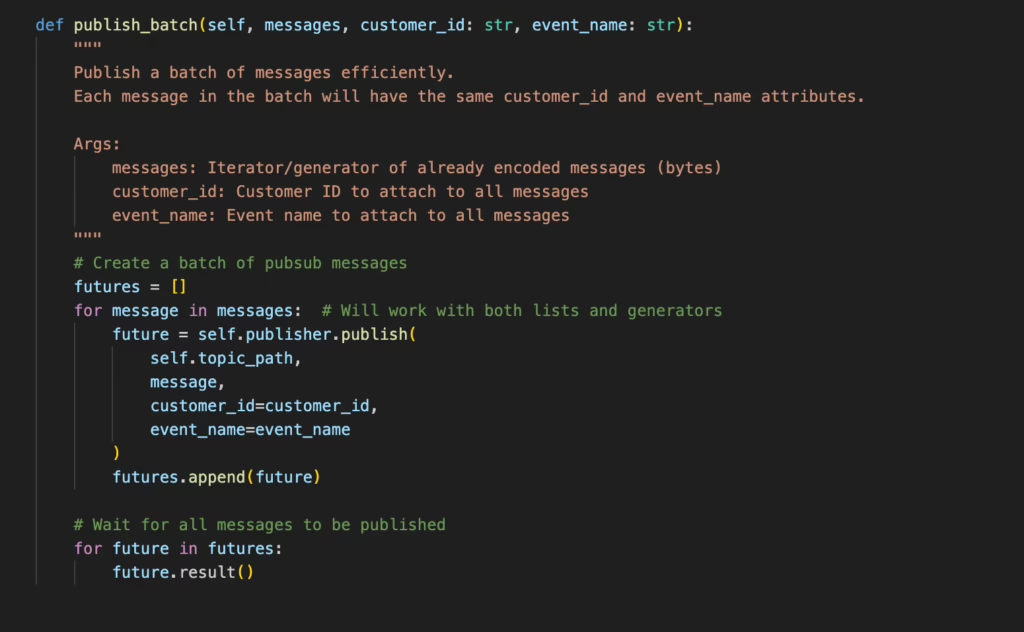
Multi-Tenant Pub/Sub Architecture 1. Topic Isolation Pattern We’ve implemented a sophisticated topic isolation pattern that provides several key benefits: Customer-Specific Topics: Each customer has dedicated publisher topics for events and user properties. Independent Scaling: Topics can scale individually based on customer load. Clear Data Boundaries: Naturally enforces data separation between customers. Simplified Monitoring: Enables easy […]
New Integration: Real-Time Cohorts & Streaming Events from Amplitude to Aampe
As a modular and shared agentic infrastructure, Aampe is built to seamlessly empower your existing tools, learn from data across your sources, and generate higher value data that can be piped anywhere you need with minimal lift. Our new integration with Amplitude is a powerful example of that plug-and-play flexibility—bringing your Amplitude cohorts to your […]
There Is No Cake

The Sweet Illusion of a Feature Sprint In every development cycle, there’s a moment of clarity—a fresh feature, well-defined, ready to be built. At the start, it looks simple, digestible. A piece of cake. As engineers dive in, that cake gets eaten. Each commit, each pull request, each problem solved takes a bite out of […]
Optimized Messaging with Learned Weights and Beta Distribution
AI agents and tagged weights Agentic learners encode their learnings as tagged weights. At Aampe, for example, we start a new customer’s agents with 35 timing tags: five three-hour increments (covering waking hours) over seven days of the week. Each agent updates the weights for each tag based on the way its assigned user responds […]
A 30,000,000,000 row join! And how we reduced runtime of a query by >99%

Last week we at Aampe faced a simple yet interesting scale problem when using BigQuery. The culprit: A simple inner join. We wrote a simple query that joins the users who are eligible to be messaged with their corresponding messages CMS table. The output needed: for each user, all messages that they are eligible to […]
How we handle messy data
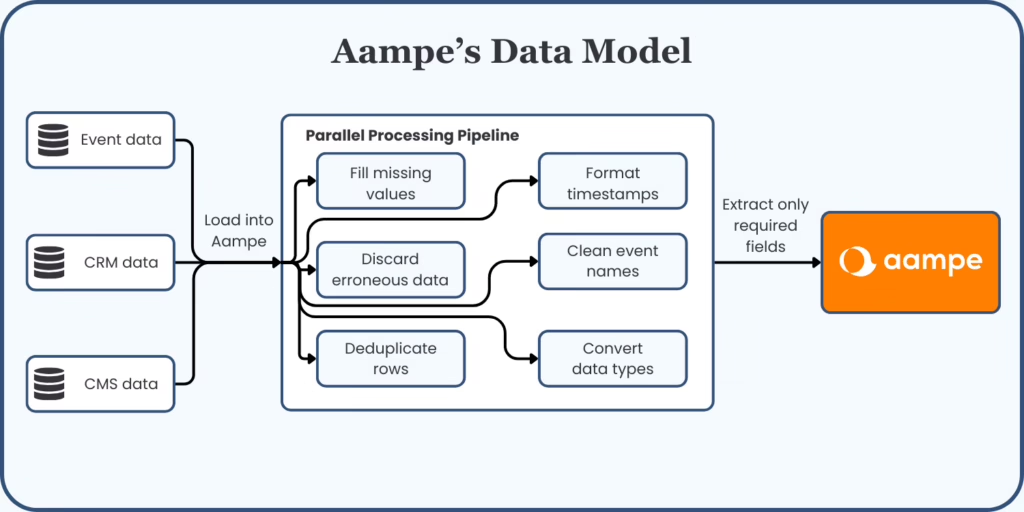
As our platform has to work with various data providers, CDPs, and many different companies with very different data lakes and schemas, it’s actually more common for us to encounter messy data than anything else. Here’s our approach to cleaning up this data so it can be usable and actionable: What is “messy” data? “Messy […]
You don’t know Jacc(ard)
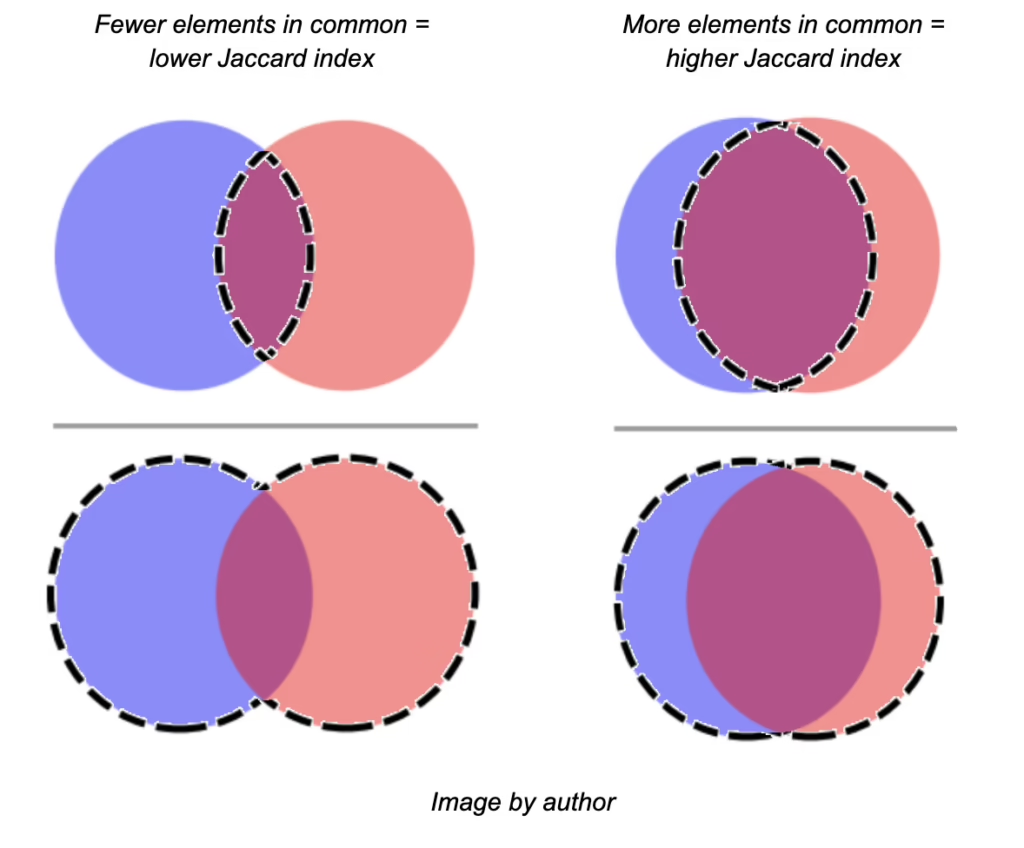
I’ve been thinking lately about one of my go-to data science tools, something we use quite a bit at Aampe: the Jaccard index. It’s a similarity metric that you compute by taking the size of the intersection of two sets and dividing it by the size of the union of two sets. In essence, it’s […]
Scalable Event-Based Clustering for User Segmentation
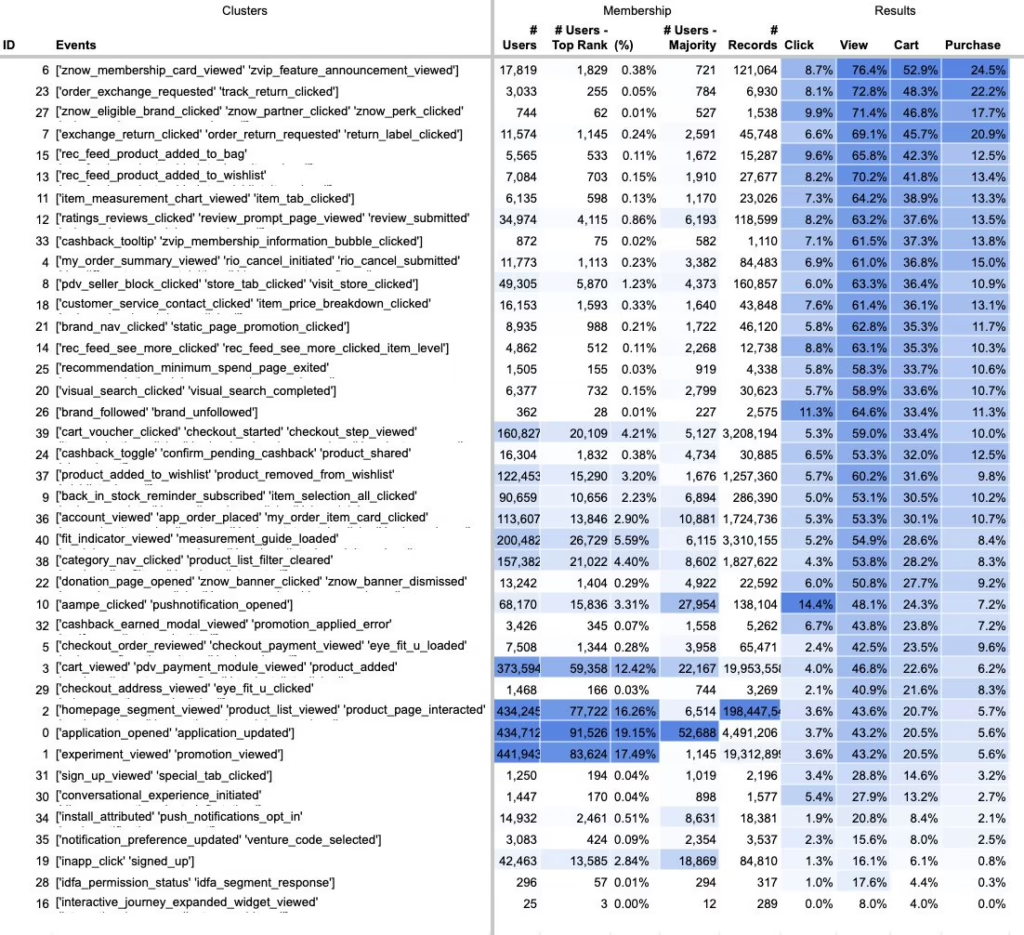
There are generally limited options for clustering large numbers of records. A typical Aampe customer has up to 400 app events (“product viewed”, “purchase completed”, etc.) instrumented, for sometimes as many as 100 million end users. Clustering 300 features is simple, even with 100 million records – something like mini-batch k-means can do the trick. […]
Build a Robust Data Pipeline: Tips & Best Practices
A well-constructed data pipeline is a powerful tool that streamlines your ability to process and analyze information efficiently, transforming raw data into actionable insights. Think of it as your business’s central nervous system. Your data pipeline automates the transport and refining of data, which means less manual work and more accuracy in the insights you […]