
How user journeys hurt your business (with proof)

The concept of a rigid “User Journey” has been heavily ingrained in our minds — it’s taught in virtually every “best practices” blog and included as a feature in just about every customer messaging platform (see here, here, and here, for just a few examples) — so it’s not uncommon for us to field these […]
Conversion-based product recommendations

What is a recommender system? A recommender system is an incredibly powerful tool — It’s how Netflix decides which videos to suggest, how Amazon decides the next thing they think you want to buy, and how Spotify tries to get new music on your playlist. Types of recommender systems While there are a many different […]
An implementation of Complement Naive Bayes for Google BigQuery

This is a technical post. If your eyes glaze over from talk of supervised learning and class balancing and the variance-bias tradeoff, you should go read something else (we offer a whole lot of choices!). If those more technical topics interest you, however, then this post is for you. Let’s dive in. The field of […]
Aampe for streaming video apps: solving the problem of decision paralysis in content-rich UIs
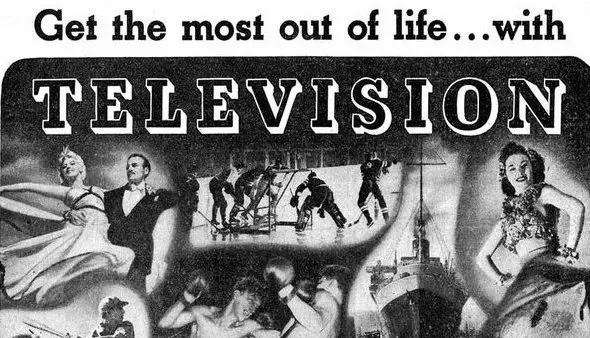
Looking at a bunch of advertisements from the early days of television, it’s remarkable how little the value proposition for in-home video entertainment has changed over time. Sure, the screens we use now are either somewhat smaller or much, much bigger than what people had in the 1950s, and we don’t have to deal with […]
How to use messaging (SMS, push notifications, and more) to build your marketing segmentation strategy
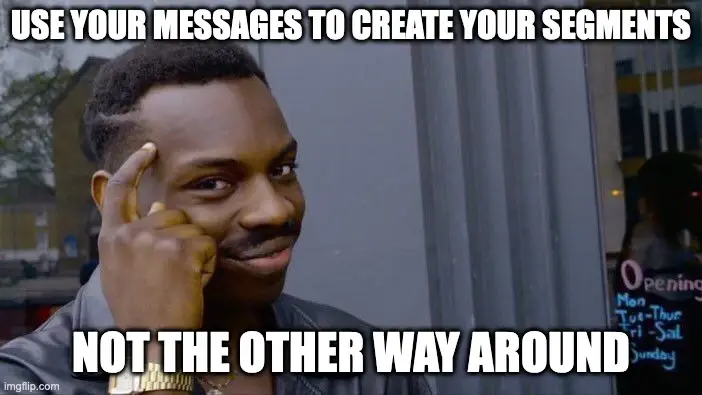
The importance of messaging (SMS, push notifications, WhatsApp, etc.) on user engagement 25% of mobile apps are only opened once after download If you run a mobile app, you already know it doesn’t matter if you have the best features, or the cleanest navigation, or the most powerful search, or even the highest-quality offerings. Nothing […]
Why a larger, more diverse message inventory leads to more effective messaging

At Aampe, we talk a lot about aligning your app content with your message content, and then aligning your message content with your users preferences, but we always start that talk in the same way: “write a whole bunch of messages.” This isn’t intuitive to many of our customers. They’re used to what we call […]
The disproportionate impact message timing has on SMS and push notification effectiveness

In the realm of user communication and customer engagement, it’s not just about the words you say but also when you say them We built Aampe to allow apps to communicate with their customers in a way that doesn’t make them hate everything and uninstall the app (pro tip: constantly nudging all your users with […]
Structure app inventory for message-led personalization

We’ve written a lot about how important timing is in sending push notifications (see here and here, for example), and we’ve also written about how you can get smart about what copy you write, but one theme we haven’t touched on (until now!) is the actual focus or topic of the message. Every app is […]
Mastering the art of message tone

Ok, we’ve already talked about personalizing several different aspects of your message to engage your app users: Timing: Get your message to your user on days and at times when they’re likely to act. Frequency: Send as many messages as a user wants and needs — don’t send too many, but also don’t send too […]
How do you know which messages to write next?

We’ve written a lot lately about the importance of message timing. We’ve shown that even a modest-sized user base can exhibit a ridiculously high number of distinct timing preferences. We’ve shown that just getting timing right can result in a 300% increase in ROI – not in click-through rates, but in actual customers-put-money-in-your-pocket. We’ve even […]