
How Aampe Handles Model Drift with Agentic Systems
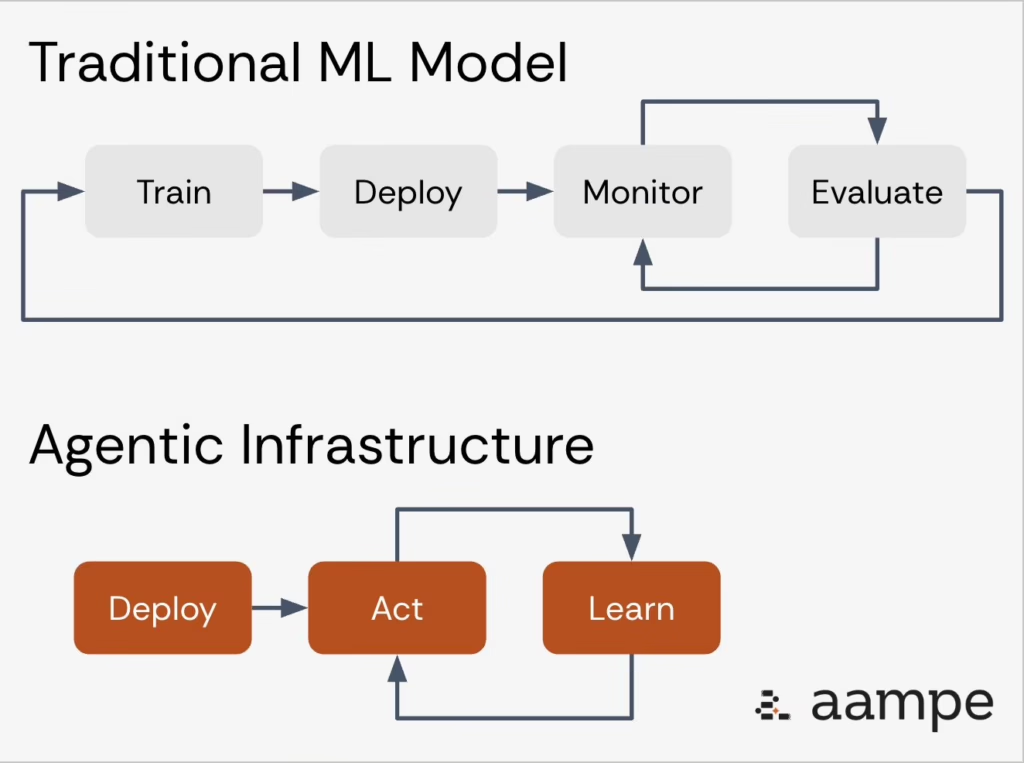
People sometimes ask how we deal with model drift at Aampe. We don’t, for the most part. We don’t have to. Agentic systems that operate on the basis of semantic-associative learning don’t have to worry about drift in the traditional sense, because the system learns continuously. Model drift is a problem you get when you […]
Unlocking the Power of Semantic-Associative Memory in AI Systems
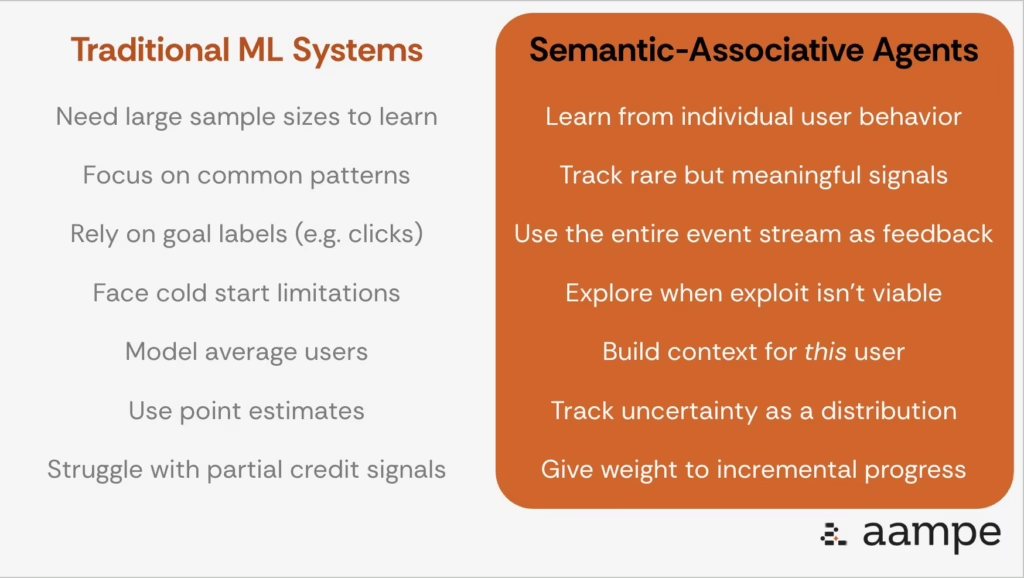
One of the quiet advantages of semantic-associative agents is how many classic ML concerns just sort of disappear. Take rare events, cold starts, and data sparsity. These are tough problems for most machine learning systems because they depend on statistical regularities across many users. But our agents aren’t trying to model “users like this one.” […]
Agentic AI in Enterprises
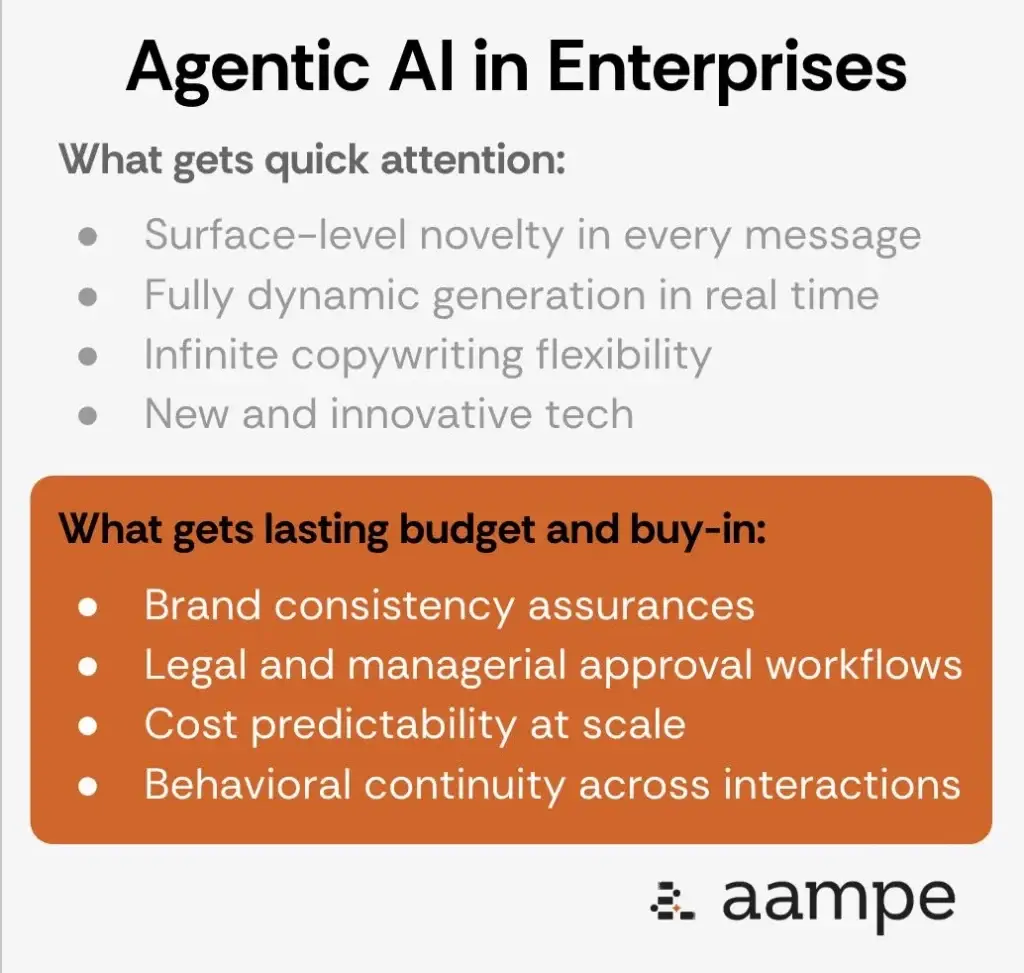
As LLM costs drop and capabilities grow, it’s tempting to use them as the engine behind every customer interaction. But real-time generation is rarely essential. Most businesses face semantic-associative problems, not generative ones. The issue isn’t a lack of words — it’s knowing which words work, when, and for whom. Semantic-associative learning connects abstract message […]
A/B Testing vs. Bandits vs. Predictive Models vs. Agentic Learners: A Stock Market Analogy
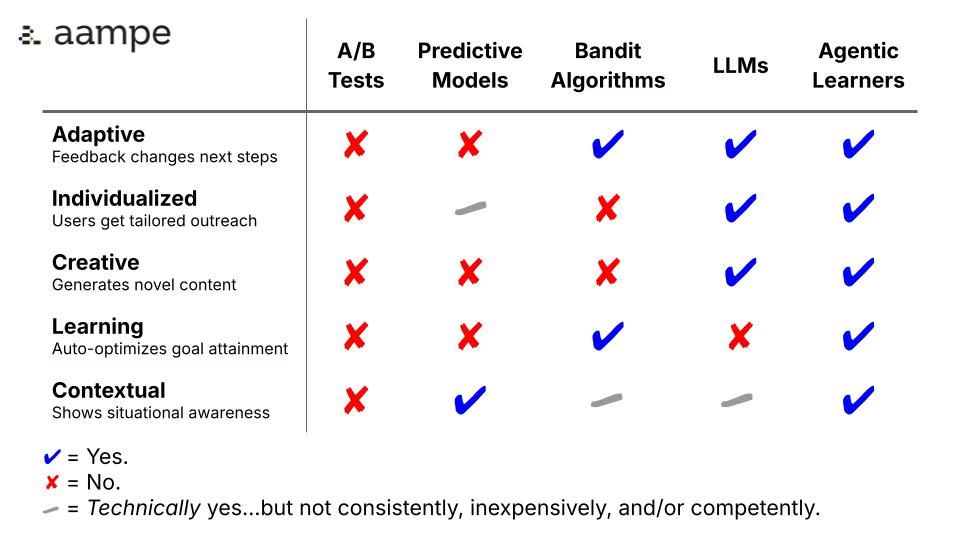
I’ve had people ask me what the difference is between A/B testing, multi-armed bandits, predictive/ML models, and agentic learners. Let’s use an analogy. Imagine you’re investing in the stock market: A/B Testing is like back-testing a single stock strategy (e.g., “Tech stocks beat energy in 2020, so we’ll only buy tech”). It’s rigid—once you lock […]
The Importance of Abstraction Layers in Agentic Systems

One of the most important components of an agentic system is its abstraction layer — a framework that organizes surface-level details into higher-level, strategic categories. Abstraction enables transfer learning. It allows your system to take insights from one context and apply them to another. That’s essential to agentic learning (and, therefore, is core to how […]
Why Agents Can’t Learn from Historical Data: The Importance of Counterfactuals

Agents can’t learn from historical data. They can make assumptions from it, but they can’t learn. Say a user often shows up on Friday between 6–7pm. Does that mean it’s a good time to engage them? No one knows. Because the real question isn’t “When does the user show up?” It’s: “Would they show up more […]
How is Aampe different from AI segmentation tools?
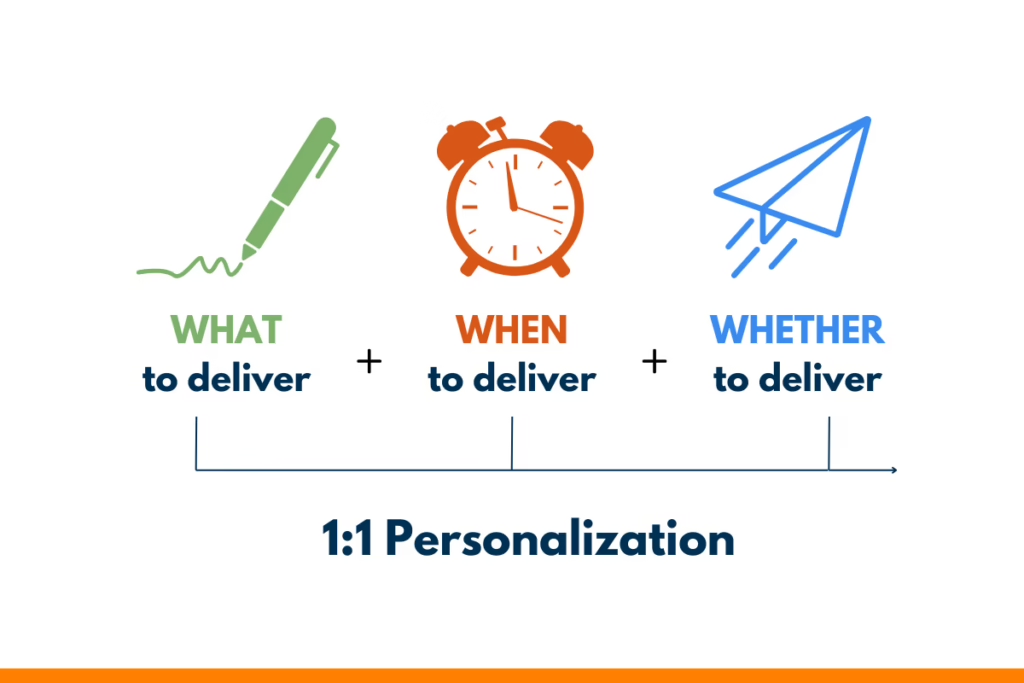
Introduction What is AI segmentation? Ask your favorite search engine or LLM and I bet the answer is a mishmash of the words “algorithms”, “machine learning”, “artificial intelligence”, “automatic”, and “dynamic”. More importantly, you’re unlikely to find a simple explanation of how AI segmentation works and how it differs from traditional segmentation. This article will […]
What is the Best Time to Send SMS Marketing in eCommerce?

SMS marketing can get incredibly expensive, so it’s important that every message is adding value. To that end, we took all the “best practices” we could find online for ‘the best times and days to send SMS marketing messages for an e-commerce app,’ and compared it to actual data for an actual app with over […]
The LLM Alignment problem
LLM “alignment” refers to reducing the gap between LLM output and user expectations. I came across a nice technical overview (LLMs from scratch) comparing the two main methods for LLM alignment: Reinforcement Learning from Human Feedback (RLHF) and Direct Preference Optimization (DPO). My conclusion: both methods show how talk about AI alignment is really missing […]
How to build Streak Messages that are truly engaging!
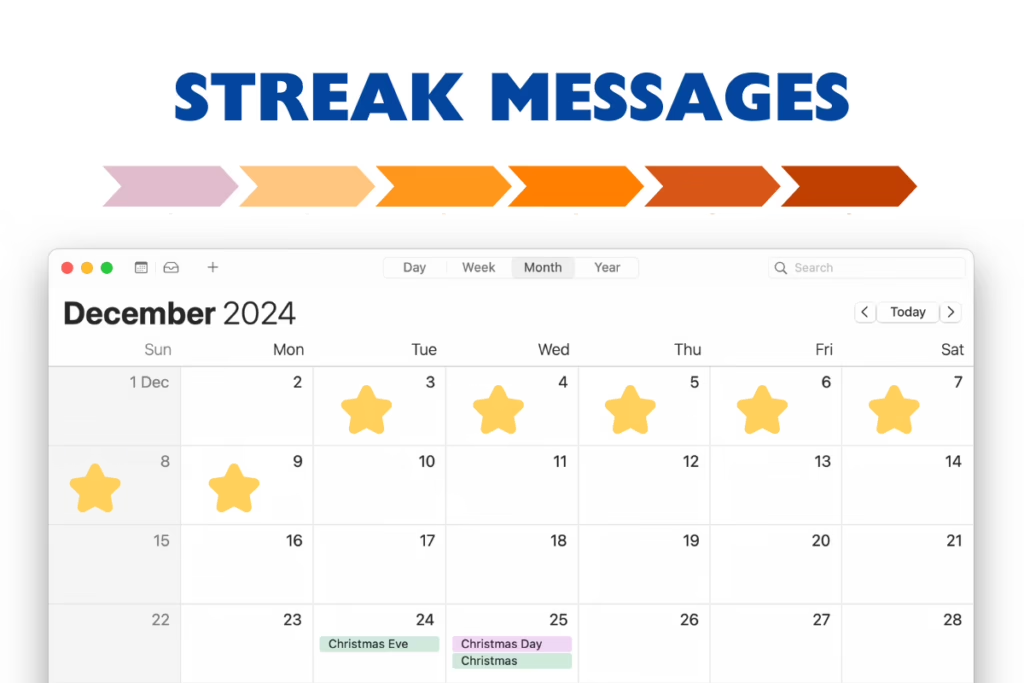
Streak messages, a powerful tool for marketers to engage and re-engage users, are often hailed as a ‘best practice’ due to their simplicity and effectiveness. However, the real challenge lies in the continuous effort required to build and maintain streaks. A well-crafted streak that’s not timely or relevant won’t bring users back. How can you […]