There’s a familiar shape to most marketing tech stacks: CDPs at the bottom, orchestration in the middle, and content execution at the top. Data goes in, decisions get made, messages get pushed out.
It looks tidy. But for lifecycle marketers, it’s a frustrating illusion.
We’re expected to deliver personalized experiences, but the tools we use weren’t built to adapt in real time. The orchestration layer picks a segment. The segment picks a message. The message goes out. And then nothing. No learning loop. No behavioral refinement. No way to tell if the message was relevant or if it just happened to land.
That’s the problem with layering. You’re stacking rigid systems and hoping they somehow add up to adaptability. But personalization isn’t a visual flowchart. It’s a process of ongoing adjustment. And that takes more than orchestration.
Orchestration is not personalization
Orchestration platforms are built to automate. They’re great at making workflows repeatable, predictable, and “optimized” for a defined journey. But personalization is the opposite of predictable. It’s about responding to the nuances of real human behavior.
Most orchestration tools let you define journeys, triggers, and rules. But they don’t adapt to behavior. They don’t test hypotheses. They don’t generate new insight with every user interaction.
So marketers end up maintaining increasingly brittle flows. Every new rule is a patch on top of an old rule. Every exception makes the system harder to manage. And the customer experience becomes static. Even if a message has their name on it, it rarely reflects who they actually are or what they need right now.
True personalization needs more than rules. It needs a system that can learn.
Personalization needs a different foundation
That’s where Aampe comes in. Agentic infrastructure doesn’t just add another layer on top of your CRM. It rewrites how the system works.
Agents operate within your existing surfaces and constraints, but they learn by doing. Each message they send — its copy, timing, tone, and channel — is a small experiment. Each user’s response becomes feedback. And over time, the agent gets smarter about what works.
Every choice is informed by evidence. Agents use techniques like interrupted time series analysis to assess impact, and modular learning to refine decisions across multiple components of the message. So personalization isn’t just dynamic. It’s grounded in behavioral data.
And that changes your role as a marketer. You’re no longer scripting paths or obsessing over funnel stages. You’re focused on giving the system more to work with — more value props, more surfaces, more emotional tones, more ways to express your brand’s value in context.
You’re designing the space in which agents can explore and learn.
Lifecycle, redefined
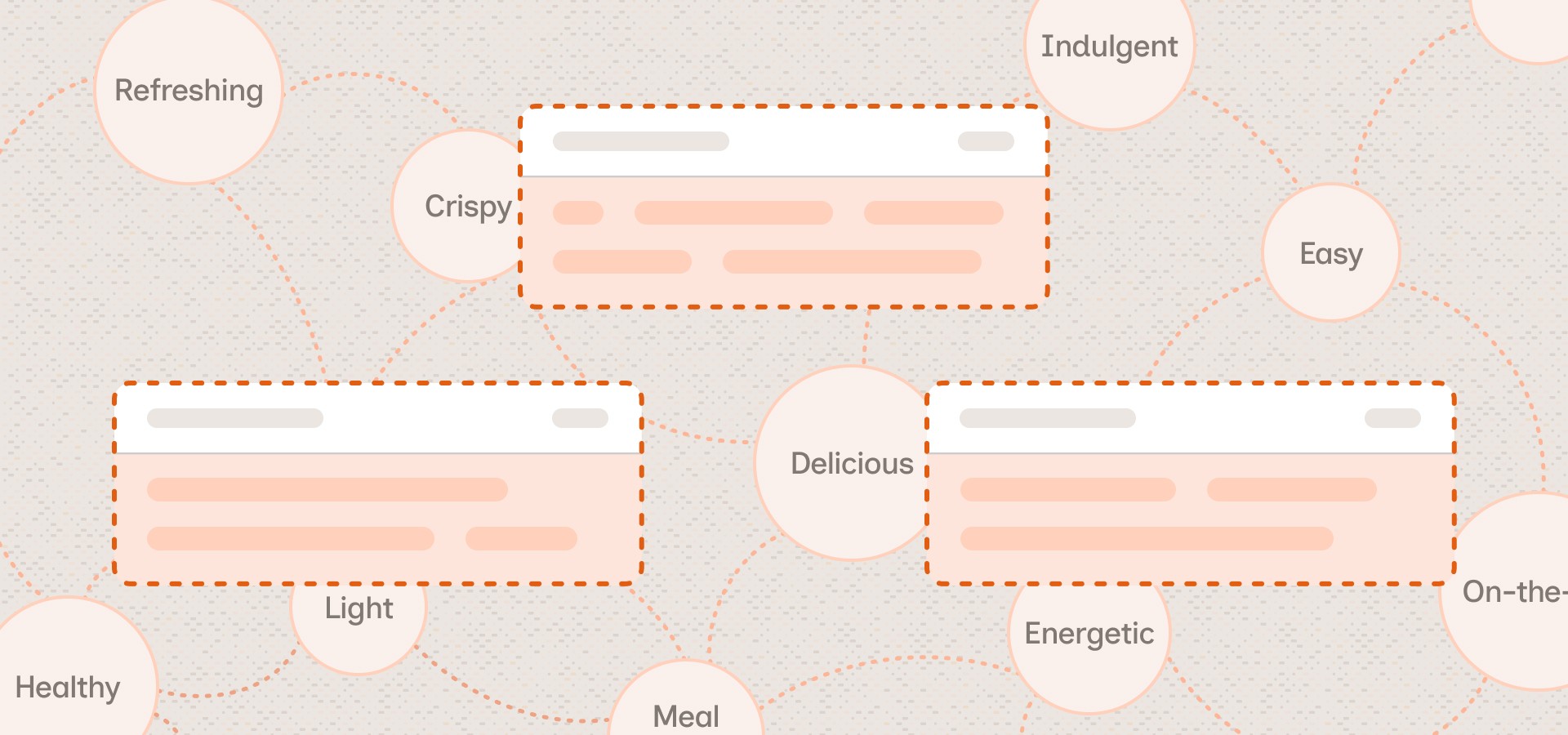
Think of lifecycle marketing not as a sequence of stages, but as a web of interactions. The job isn’t to force users down a predefined path. It’s to meet them where they are, with something timely, useful, and compelling.
With Aampe, each message is part of a larger conversation. The system doesn’t assume the same copy will work for every user in a given segment. It tests. It listens. It adjusts.
For example, a user who just installed your app might receive a nudge about discovering features. Another might get a message that reframes the same feature through a different lens, convenience, luxury, autonomy, depending on what’s worked for them before. Another might not get a message at all, because the agent learned that this user responds better to in-app nudges than push notifications.
And all of this happens without manual rules or static logic trees. The agents aren’t just following instructions. They’re making decisions, in context, in real time. This is what makes personalization scalable. Not more dashboards. Not more segments. But an infrastructure that can reason, learn, and adapt.
Agentic systems don’t replace the marketer. They extend your impact. They let you test more ideas, reach more users meaningfully, and spend less time rewriting flows that never really worked. Lifecycle marketing has always aimed to be personal. Aampe makes it actually possible.