There’s a lot of excitement right now around context graphs — designing agentic systems to capture the “why” behind decisions, not just the “what.” The promise is compelling, but it assumes the “why” already exists somewhere to be captured. Where I differ is in how that “why” actually gets learned. In agentic systems operating in consumer engagement and experience, the most effective path to context graphs runs through agents that are built to systematically intervene — and in doing so, generate the “why” themselves.
This is where Agentic Infrastructure has a real structural advantage in consumer engagement. Many context-graph and agentic systems correctly emphasize sitting in the execution path and capturing decision traces as work happens. Where Aampe differs is in how context itself is generated. In consumer experiences, context isn’t fully knowable upfront, nor does it exist independently of interaction. It emerges through an ongoing collaboration between human business operators and end consumers, with agents acting as the connective tissue between the two.
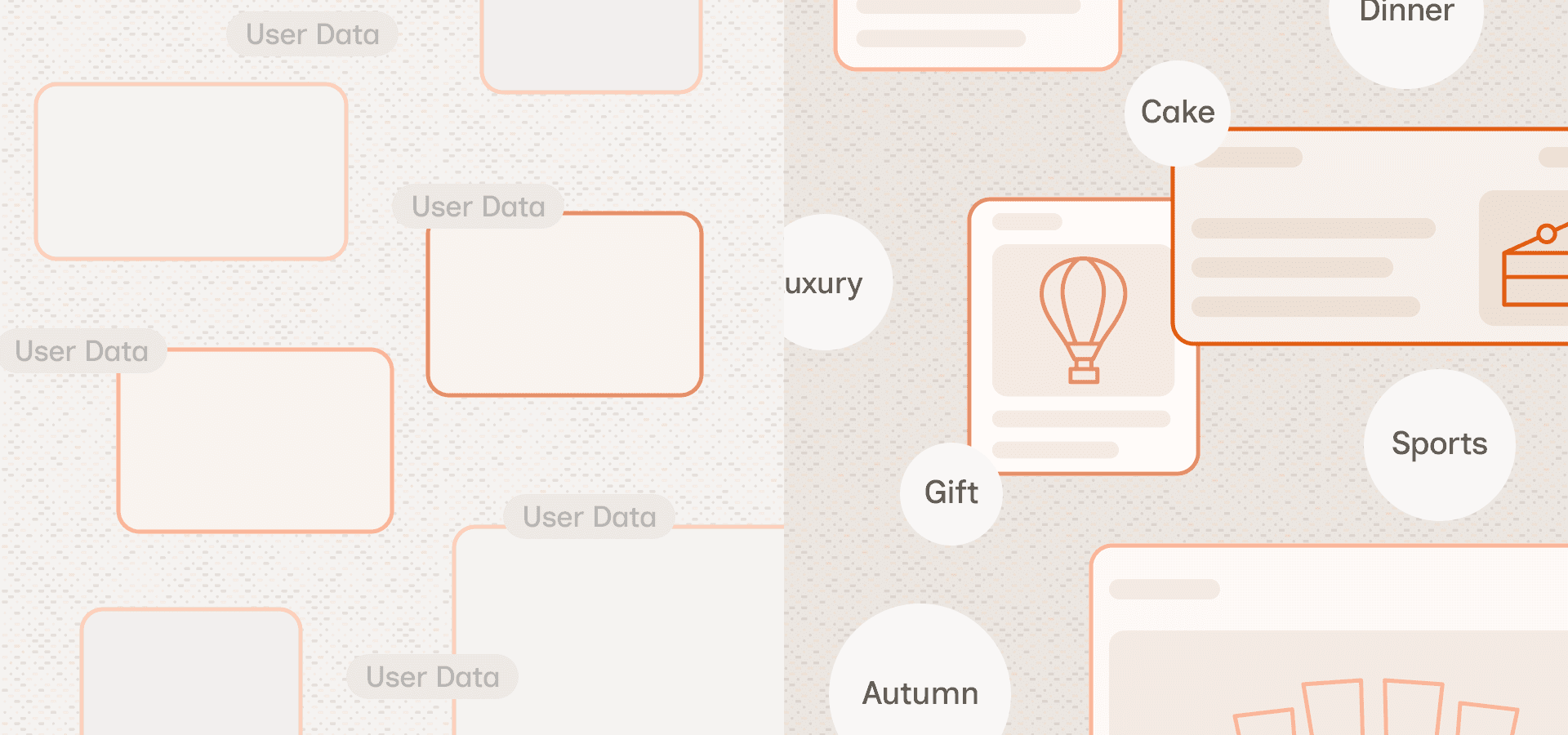
With Agentic Infrastructure, human operators introduce hypotheses about context — what might matter to users, which value propositions could resonate, which product features, recommender systems, or external signals (like location or weather) could be relevant. This is how real-world business intuition and domain knowledge enter the system. But humans do not — and cannot — determine which of these contexts applies to which individual, or how that context evolves over time. That’s the agent’s job. Agents operationalize these hypotheses by intervening at scale, experimenting across individuals, measuring incrementality, and continuously updating per-user policies based on observed impact.
This isn’t reinforcement learning in isolation. Reinforcement learning is one of the mechanisms agents use — but the system’s value comes from how humans continuously introduce new hypotheses about context, and how agents turn those hypotheses into evolving, user-level understanding.
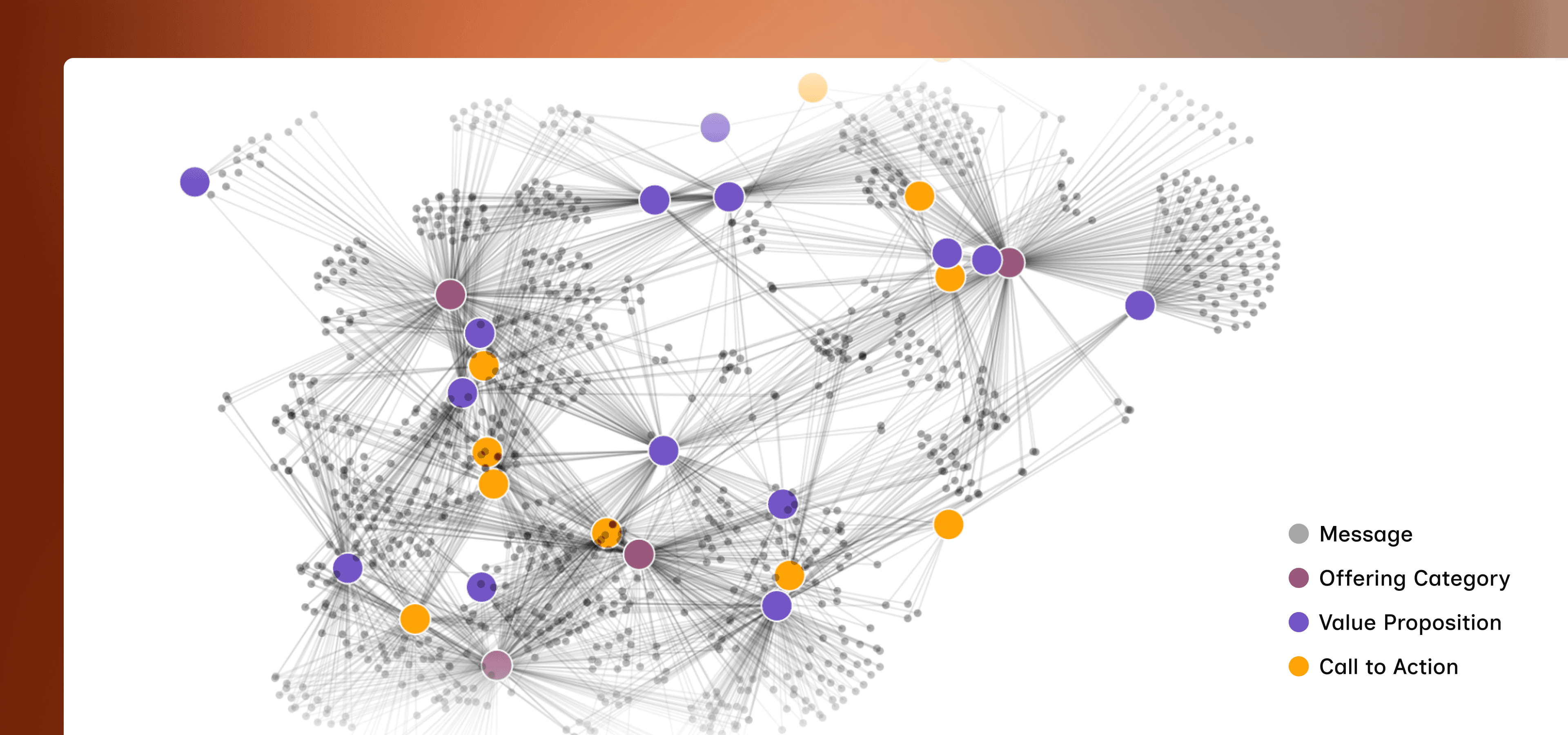
This is the critical distinction: Aampe’s agents don’t just observe or log decisions. They generate user-level context by turning human hypotheses into structured experimentation, and experimentation into continuously updated beliefs about individual users. Every decision becomes both an action and a learning event, grounded in a business end goal. Over time, this creates a living, per-user understanding of which contexts apply, how strongly, and how that changes — context that informs future agent decisions and future human decision-making.
This is also why simply querying the “why” behind a past decision misses the point. The “why” isn’t static, and it isn’t even stable across days for the same user. If your business has a million users, you can’t have a million CRM or product managers tracking individual context manually. With agentic infrastructure, the context graph isn’t a retrospective artifact — it’s a living, evolving belief system at the user level. Agents continuously introspect their inputs, policies, decisions, and incremental outcomes, while humans continuously enrich the system with new hypotheses, vocabularies, and contexts. Together, they co-evolve the system’s understanding of “why.”
That’s the part that often gets missed in the context-graph conversation. The goal isn’t to store the why. The goal is to keep the why up to date — for every individual, every day. In consumer engagement, context graphs don’t emerge from passively observing more data. They emerge from structured intervention at scale. That’s what Aampe’s agents are doing — not after the fact, but in the execution path, where context is created, evaluated, and rewritten in real time.