Most CRM practitioners think adopting Agentic Infrastructure means giving up control. No more defining user segments or setting up rules-based campaigns. That’s a difficult pill to swallow — but the reality is that the “control” CRM teams think they have today is already an illusion. Campaigns and segments were never instruments of control; they were simplifications. They existed to make complexity tolerable, not to make understanding possible.
So what does control really mean in today’s CRM systems?
Is control sending the same message to thousands of users who aren’t actually the same?
→ Segmentation is a coping mechanism for complexity, not a reflection of user reality. It assumes static groups and hides the diversity and fluidity of real user behavior.Is control picking one “winning variant” and discarding everything that worked for everyone else?
→ A/B testing optimizes for the average, not the individual. Declaring a winner creates a false sense of certainty while leaving value on the table for users who respond differently.Is control managing so many campaigns that you lose visibility into what users actually experience?
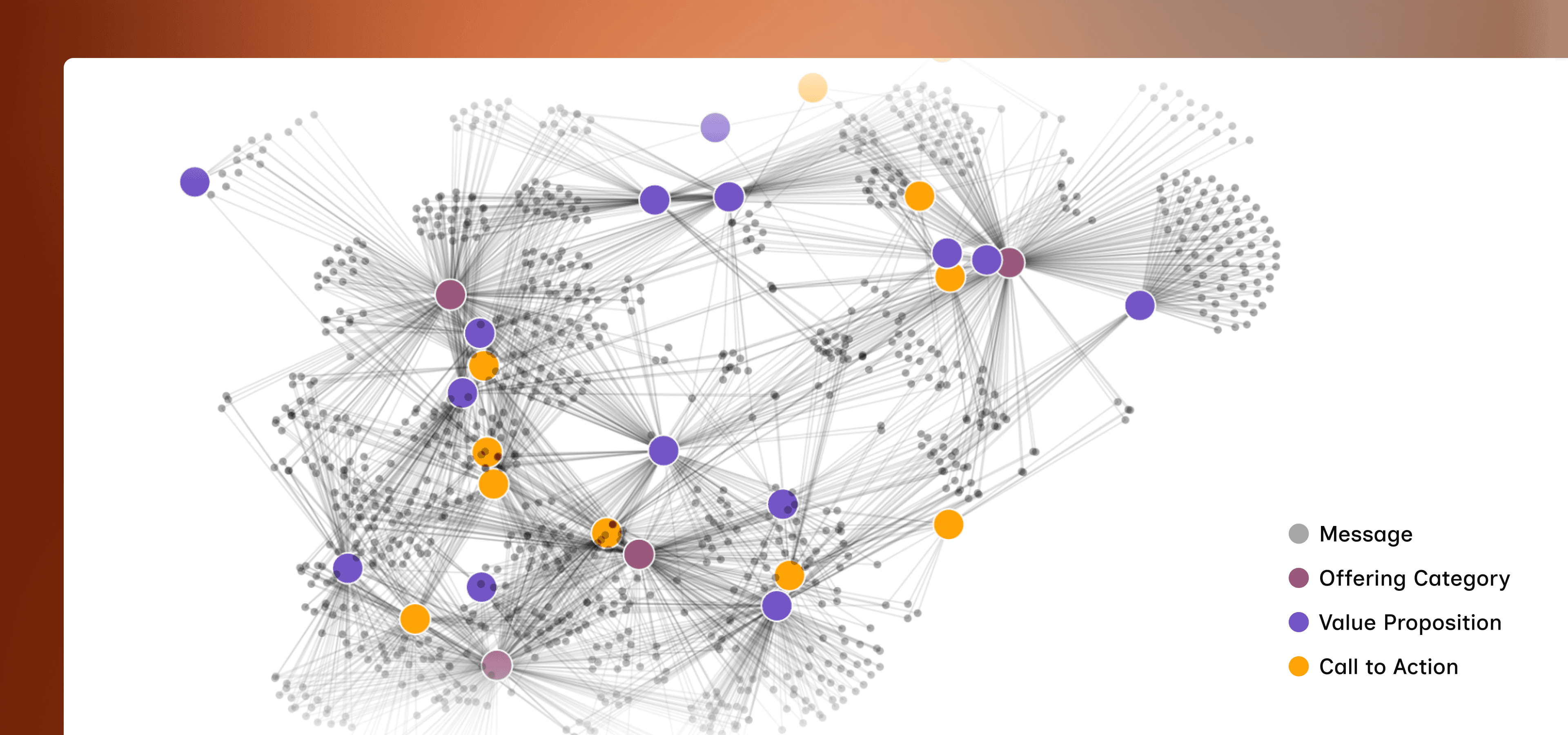
→ When teams run dozens of overlapping campaigns, rules collide, triggers conflict, and no one can explain what a single user actually received. The system looks orchestrated but behaves chaotically.Is control letting internal org politics decide what users see, not what delivers value?
→ Campaigns often reflect internal negotiation — product and business teams competing for message real estate — rather than what maximizes user or business value.Is control not knowing why a user responded — only that they did?
→ Traditional systems track what performed, not why. They show that a message “worked,” but not whether copy, timing, or context caused the change. CRM teams see outcomes but can’t explain causality.
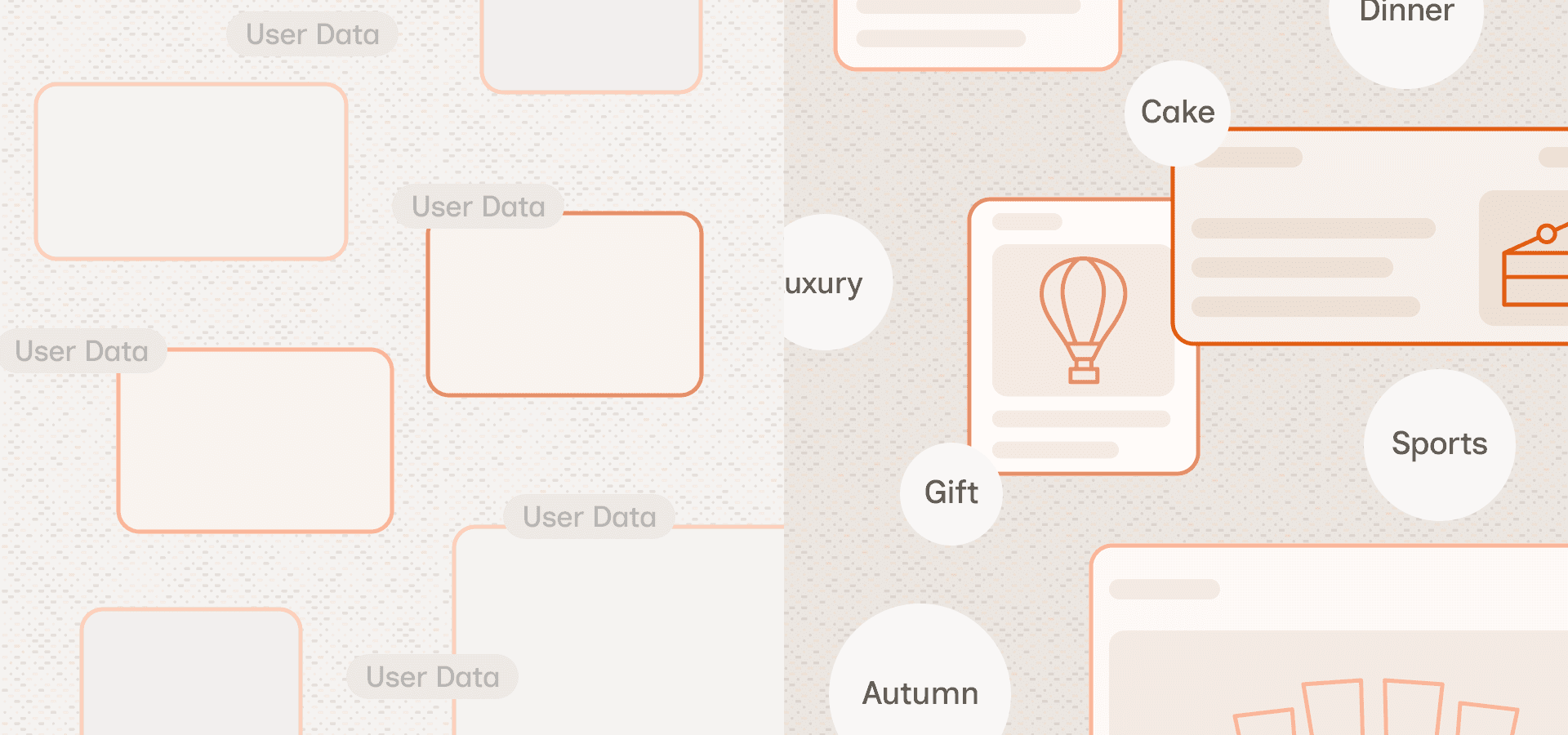
Agentic Infrastructure changes that. It doesn’t take control away; it gives control back. Instead of manually defining who receives what message and when, CRM teams define the constraints and context under which learning happens. They build and label message components — value propositions, tones, timings, and offers — that become the vocabulary agents use to compose personalized interactions. Humans decide what those components mean, how they relate to business goals and brand voice, and where exploration should or shouldn’t happen.
Agents take over the tactical work: exploring combinations, testing hypotheses, and adjusting to each user’s behavior in real time. But the system remains bounded by human governance. The marketer’s job shifts from micromanagement to stewardship: maintaining the quality and diversity of the content ecosystem, adjusting policies as new learning emerges, and ensuring agent incentives stay aligned with business goals.
This isn’t less control — it’s better control.
You can trace every user’s experience: which message elements were shown, why, and with what outcome.
You can compare how specific tones, values, or product features perform across users and contexts.
You can monitor aggregate learning patterns without losing visibility into individual behavior.
The tradeoff is that this kind of control demands unlearning. CRM teams have to let go of the comfort of static segmentation and the illusion that complexity equals mastery. They have to start thinking like system designers, not campaign operators. Agentic Infrastructure gives CRM practitioners real leverage for the first time. It removes the mechanical busywork and replaces it with an infrastructure that learns continuously. The reward is not simplicity — it’s transparency, traceability, and a new kind of authorship over how intelligence itself behaves. In that sense, CRM teams don’t lose control when they adopt agents. They finally get it.