For the past few years, AI progress has been measured in one dimension: size.
More parameters. More compute. Bigger models doing more things.
But a quiet shift is underway.
A recent VentureBeat article, “The next big thing in AI? Think small (models),” captures what many enterprise teams are already feeling: raw generation power is no longer the bottleneck. Control is. Predictability is. The ability to design systems that behave consistently, can be evaluated, and improve over time is what actually matters.
This shift isn’t just happening in AI infrastructure. It’s coming for marketing, too.
Marketing Has the Same Problem AI Just Discovered
Modern marketing now demands content at a scale humans were never meant to sustain.
Every channel. Every moment. Every experiment. Every audience nuance.
And yet, most teams still treat content as if it were static assets:
Written one message at a time
Reviewed line by line
Approved as finished artifacts
Even when AI is introduced, it’s often layered on top of this broken model. The result? More text — not better systems.
This mirrors exactly what the AI world is realizing with oversized models: more output without control doesn’t scale.
Why “Small Models” Matter — Even If You’re Not Building Models
The VentureBeat article isn’t really about small language models.
It’s about a deeper realization:
Enterprises don’t want infinite capability. They want predictability.
Small models win because they:
Are easier to constrain
Are easier to evaluate
Can be tuned for specific tasks
Behave consistently over time
In other words, they are designed systems, not magic boxes.
That same principle applies to marketing content.
The Asset Model of Content Is Breaking
At modern scale, the problem isn’t creativity. It’s throughput with control.
When teams try to scale content using the asset-based model, they hit the same wall:
Review becomes the bottleneck
Consistency breaks down
Learning doesn’t compound
Experimentation stays shallow
The system collapses under its own weight.
Just like AI infrastructure had to move beyond “bigger models,” marketing has to move beyond “more copy.”
Content Needs to Behave Like a System
This is where the next shift is happening.
Instead of treating content as finished assets, forward-looking teams are starting to treat it as a system:
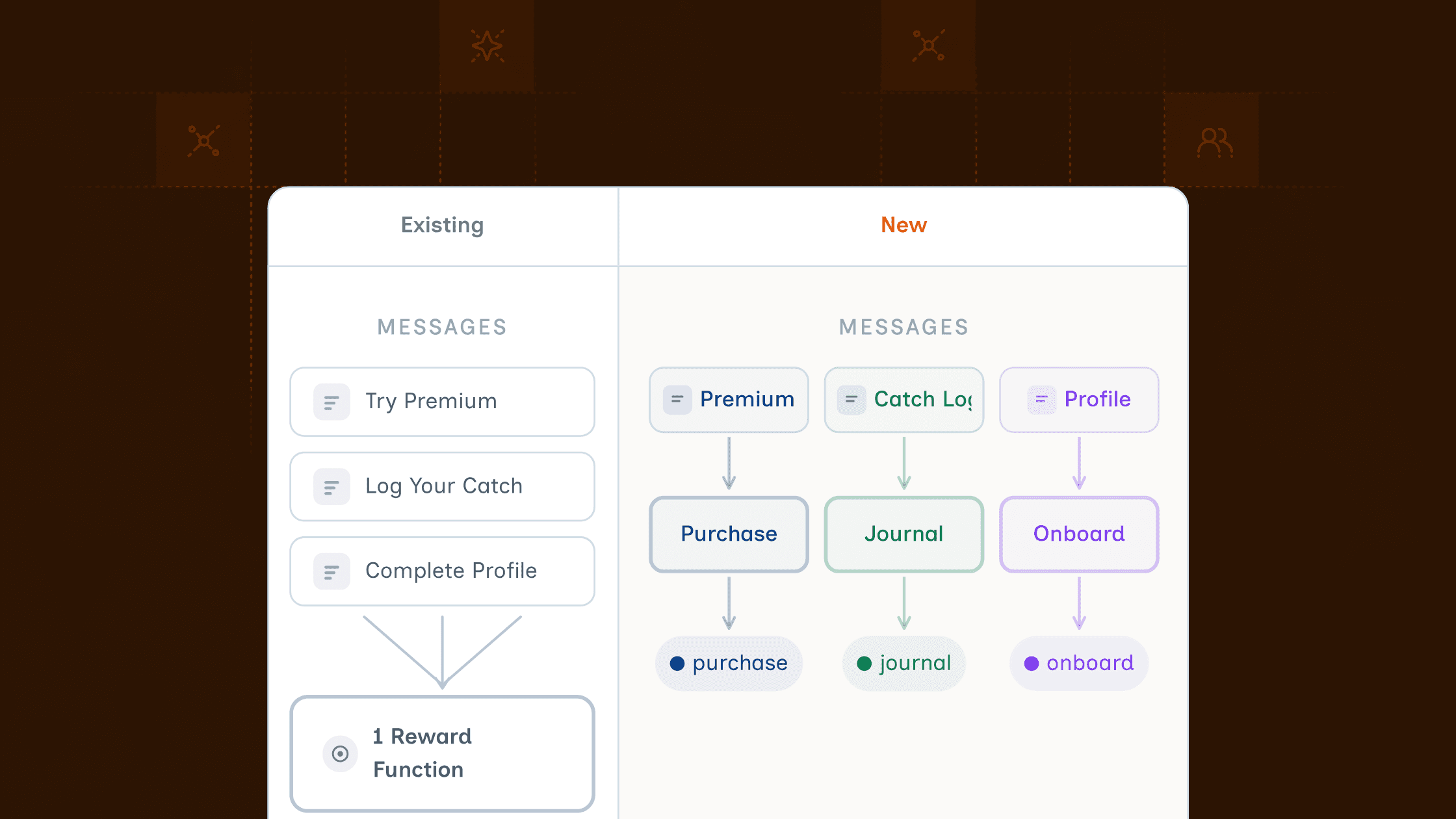
Content is generated in structured components, not blobs of text
Variation is intentional and designed, not accidental
Evaluation replaces manual review at scale
Feedback improves future output instead of triggering rewrites
This is the same logic driving the move toward smaller, more controllable AI models — applied to the content layer.
Relay Is Built for This Shift
If marketing is moving from maximalism to systems thinking, then the tools supporting it have to evolve too.
Most AI writing tools are optimized for output: generate faster, produce more variations, rewrite at scale. But when teams try to operationalize that output across channels, regions, lifecycle stages, and brand constraints, they quickly run into the real problem: coordination. Evaluation. Compounding learning.
All of this inspired Aampe to build Relay – around a different premise. At scale, writing isn’t the hard part. Governing, structuring, and improving content over time is.
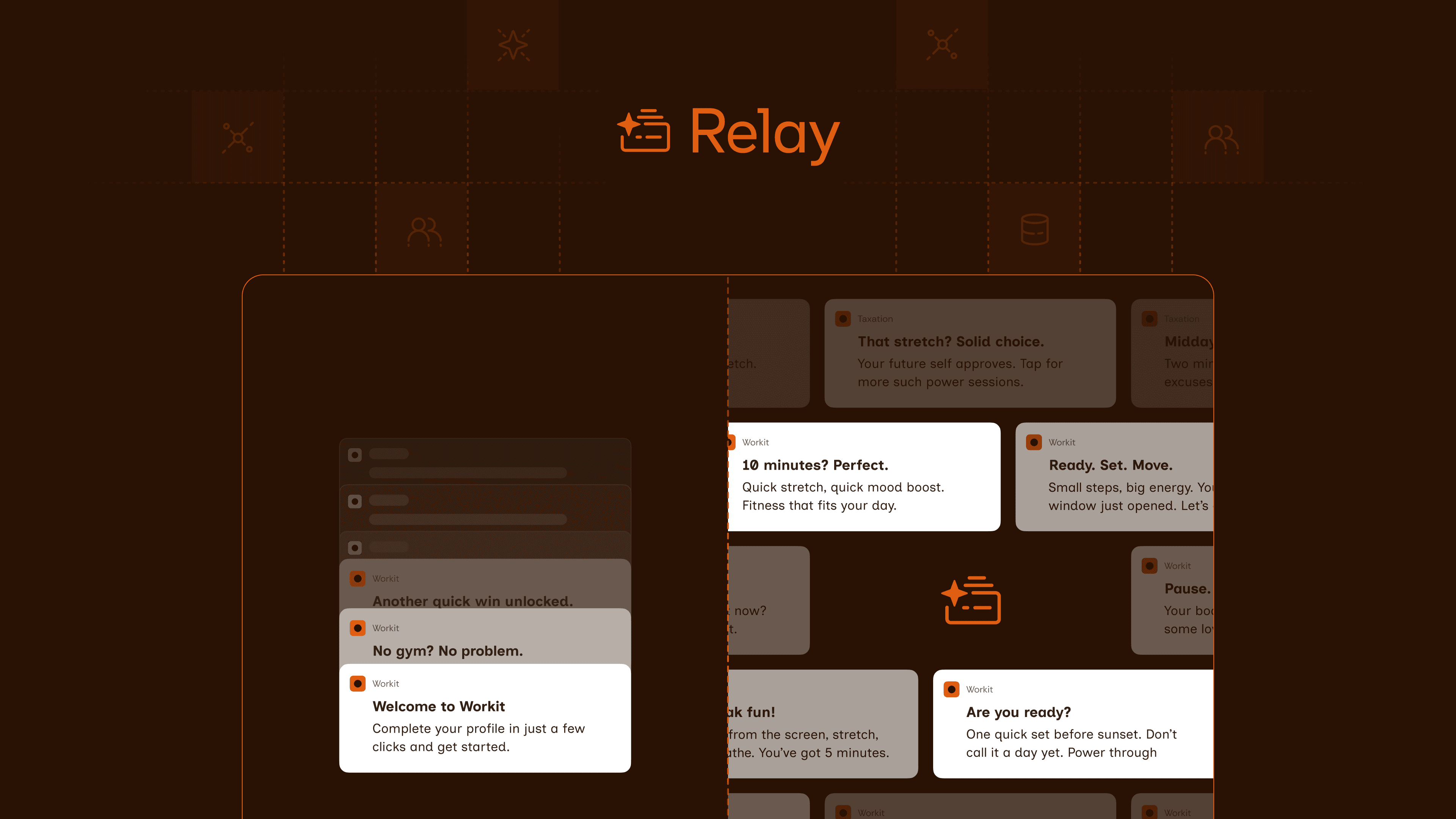
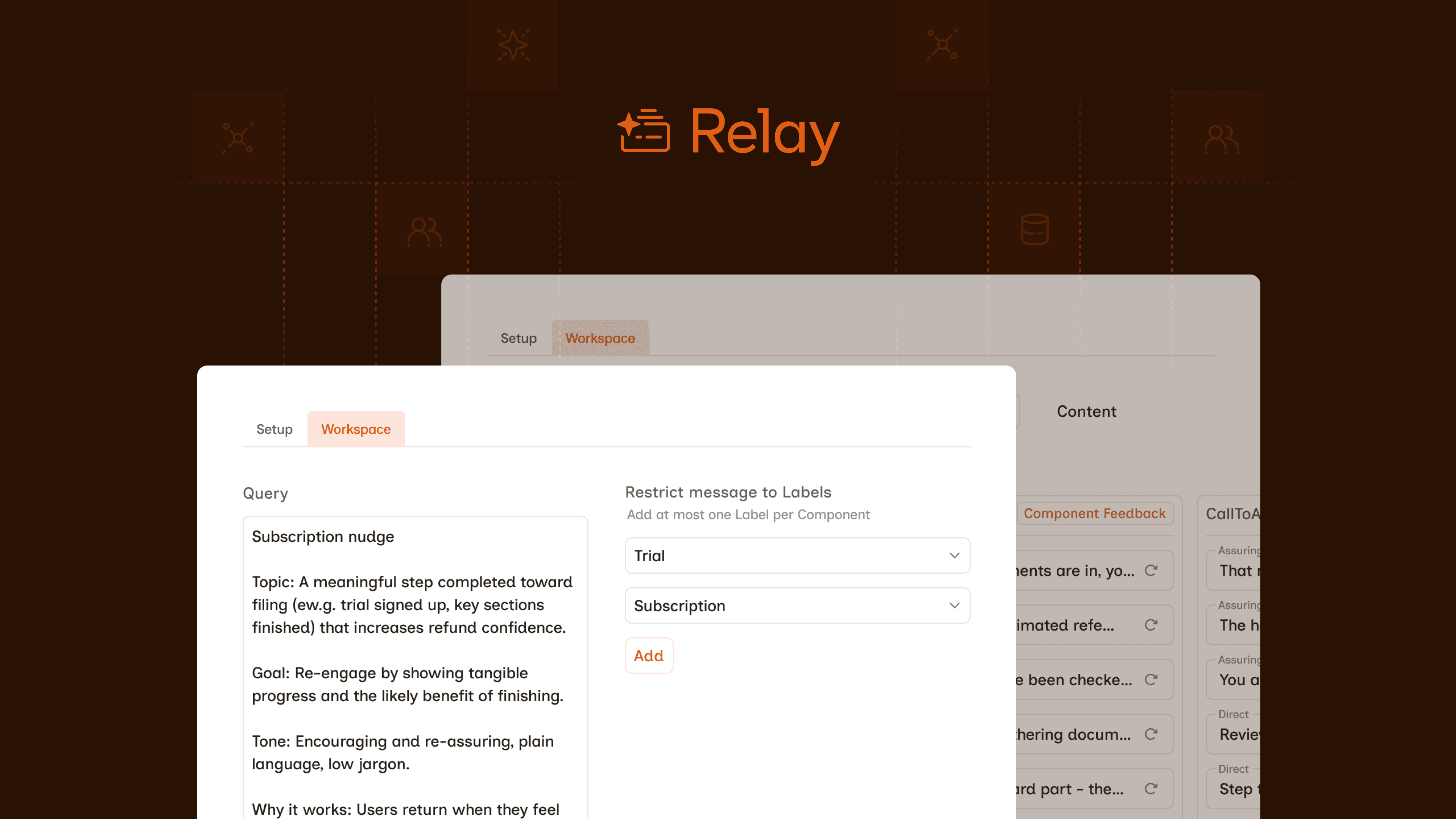
Instead of treating content as finished artifacts, Relay treats it as infrastructure. Messages are built from structured, reusable components. Guardrails replace fragile prompt engineering. Evaluation frameworks replace subjective, line-by-line review. And feedback loops ensure performance improves over time rather than resetting with every campaign.
Relay doesn’t just help teams produce more content. It helps them build systems that make content measurable, adaptable, and durable.
From Maximalism to Minimalism — At the Content Layer
The AI industry is learning that not every problem needs a 70B-parameter model.
Marketing is learning the same thing: not every problem needs more copy.
What teams need are sharper systems:
Fewer prompts
Fewer rewrites
Fewer approvals
More structure
More learning
Relay lives in that future.
The Real Opportunity Ahead
The next era of marketing won’t be won by whoever generates the most content.
It will be won by teams who:
Design content systems instead of campaigns
Evaluate behavior instead of inspecting outputs
Treat variation as a learning surface, not a risk
Build infrastructure that compounds over time
The shift is already happening in AI. Marketing is next.
And content systems — not bigger models — are how we get there.
The AI industry is rediscovering an old truth: scale without structure breaks. Marketing is now facing the same inflection point. The teams that win won’t be the ones generating the most content — they’ll be the ones designing content systems that learn, adapt, and compound.
Relay is built for that future.
Learn how Relay helps you move from content output to content infrastructure.