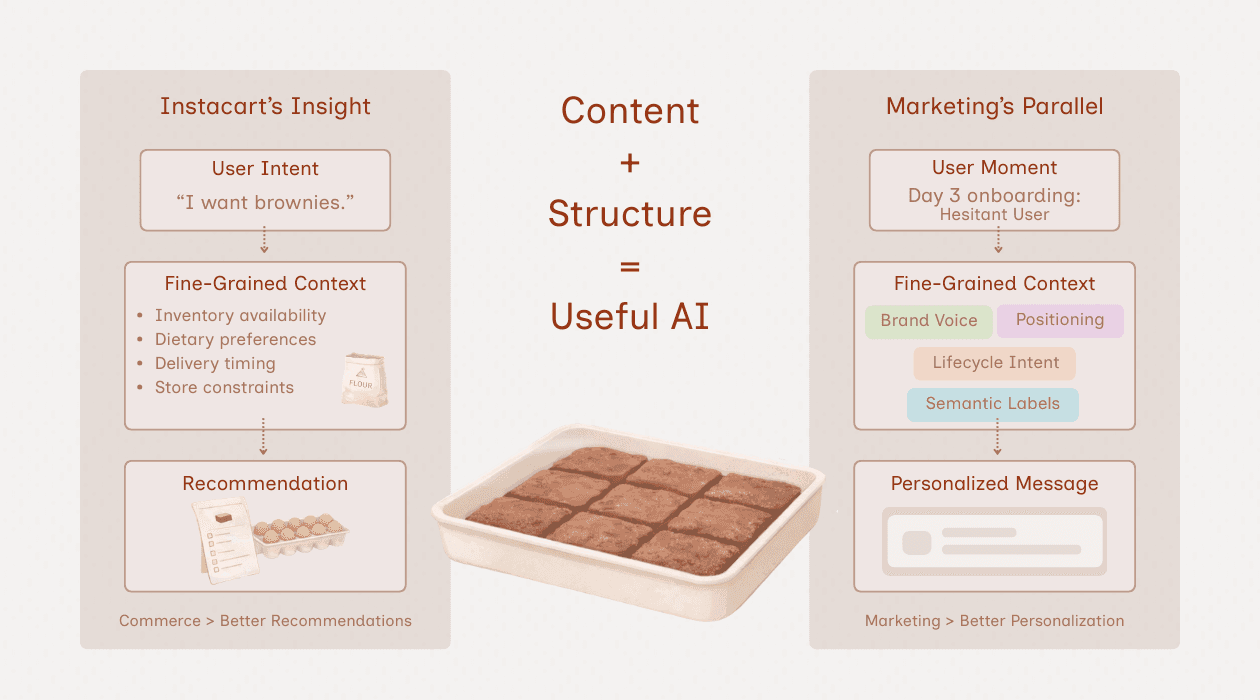
In a recent feature through VentureBeat, Instacart’s CTO Anirban Kundu highlighted what he calls the “brownie recipe problem” — a vivid way of explaining one of the biggest limitations in AI today: LLMs can reason, but they struggle without fine-grained context integrated with real-world state. In real-time systems like grocery delivery, saying “I want to make brownies” isn’t enough. To be truly useful, an AI needs to understand what ingredients are available locally, which fit user preferences, and whether they can be delivered before they spoil — and it must do this in under a second.
That challenge — blending reasoning, real-world state, and personalization — isn’t unique to e-commerce. It’s exactly the challenge modern marketing faces when agents are responsible for engaging users across channels, moments, and outcomes.
In marketing, too, the story isn’t just about generating text. It’s about giving AI systems the right context and structure to make meaningful decisions for every user.
Context is not optional — It’s necessary
Instacart’s example points to a foundational truth in AI: reasoning alone isn’t enough without context. Even the most capable LLM will produce generic or irrelevant outputs if it doesn’t have access to the right inputs — fine-grained, real-time, personalized data that reflects the state of the world and the user.
In the grocery use case, context spans:
Inventory availability
User dietary preferences
Delivery constraints
Latency requirements
In agentic marketing, context spans:
Brand voice and guardrails
Product features and positioning
Audience intent and lifecycle goals
Semantic meaning behind content components
Instacart’s “brownie recipe problem” is really a context problem — and it’s at the core of what Relay was built to solve for marketing.
The Marketing Parallel: Why content needs structure and semantic context
In our recent blog Marketing Content Has Outgrown the Asset Model, Aampe Product Marketing Lead, Logan LeBouef, explained that marketing content can no longer be treated as finished assets — it must behave like a system. Static templates and handcrafted messages don’t give AI agents the semantic structure they need to decide what to send, when, and to whom. Content needs to be:
Structured for reuse
Labeled by meaning and intent
Evaluatable at scale
That’s the same pattern Instacart highlights in its architecture: split context into chunks that small, focused models can actually use, rather than trying to jam all possible state into a monolithic system.
This parallels our Next Shift in AI Isn’t Bigger Models — It’s Better Systems thesis: solving real-world problems isn’t about larger LLMs — it’s about systems that integrate context effectively with reasoning.
Relay: Aampe’s answer to the context challenge
So what does this have to do with marketing?
AI agents in marketing need content that’s not just text, but semantically structured inventory — the same way an Instacart agent needs up-to-date product availability and user preferences to recommend groceries. Generic copy might sound coherent, but it doesn’t carry the contextual signals agents need to decide what to deliver for which user, when, and in what format.
That’s where Relay fits in.
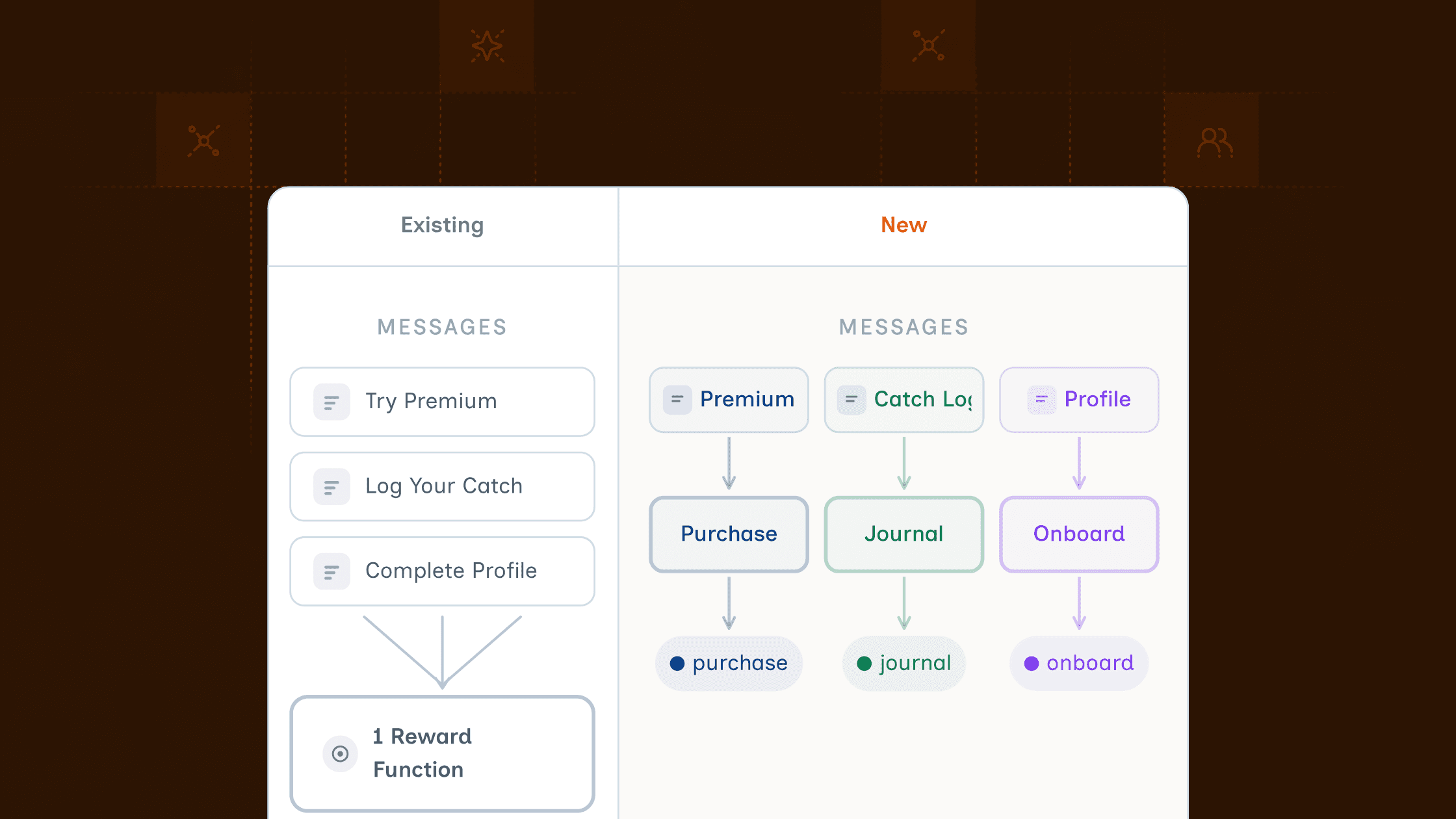
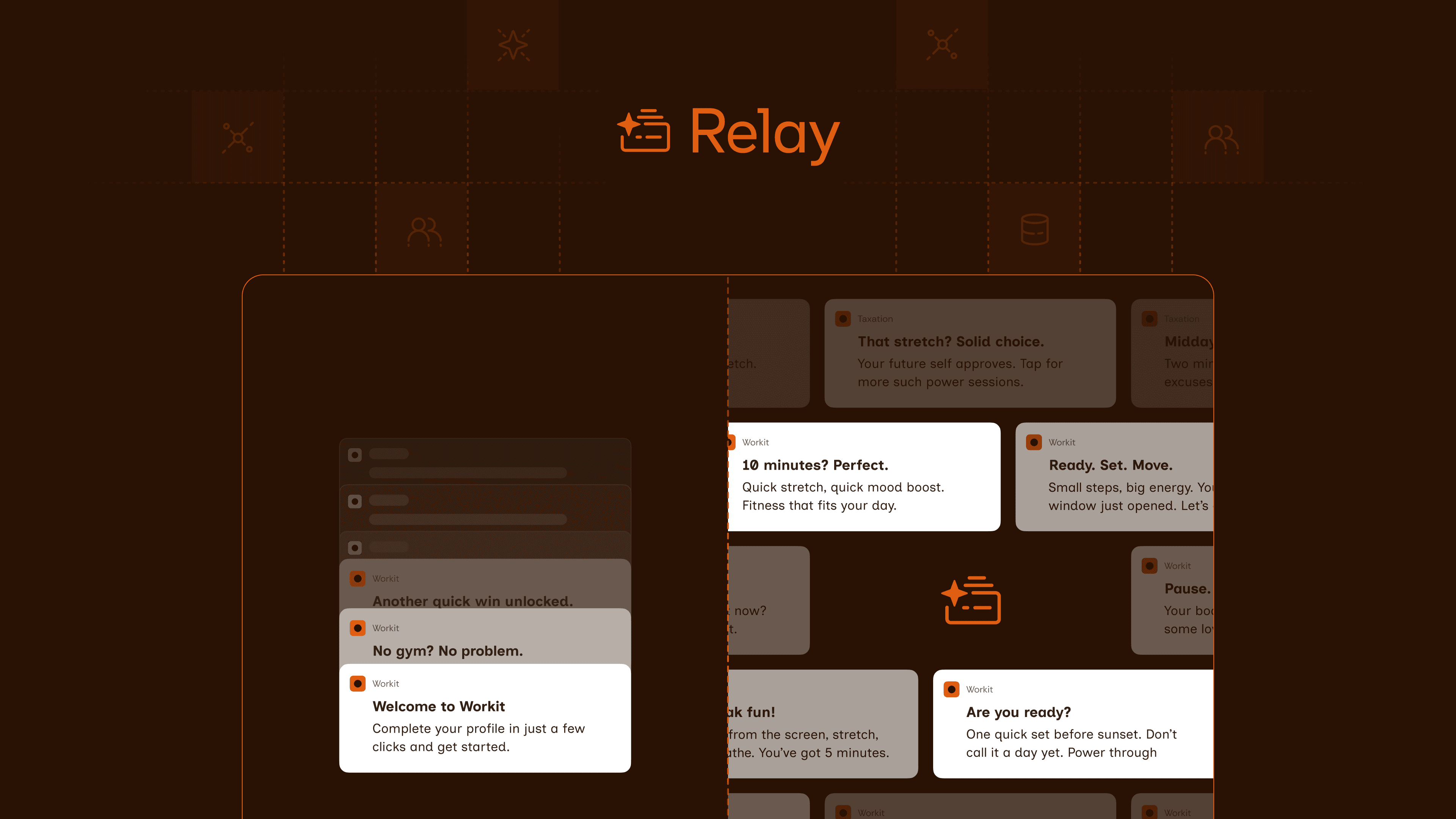
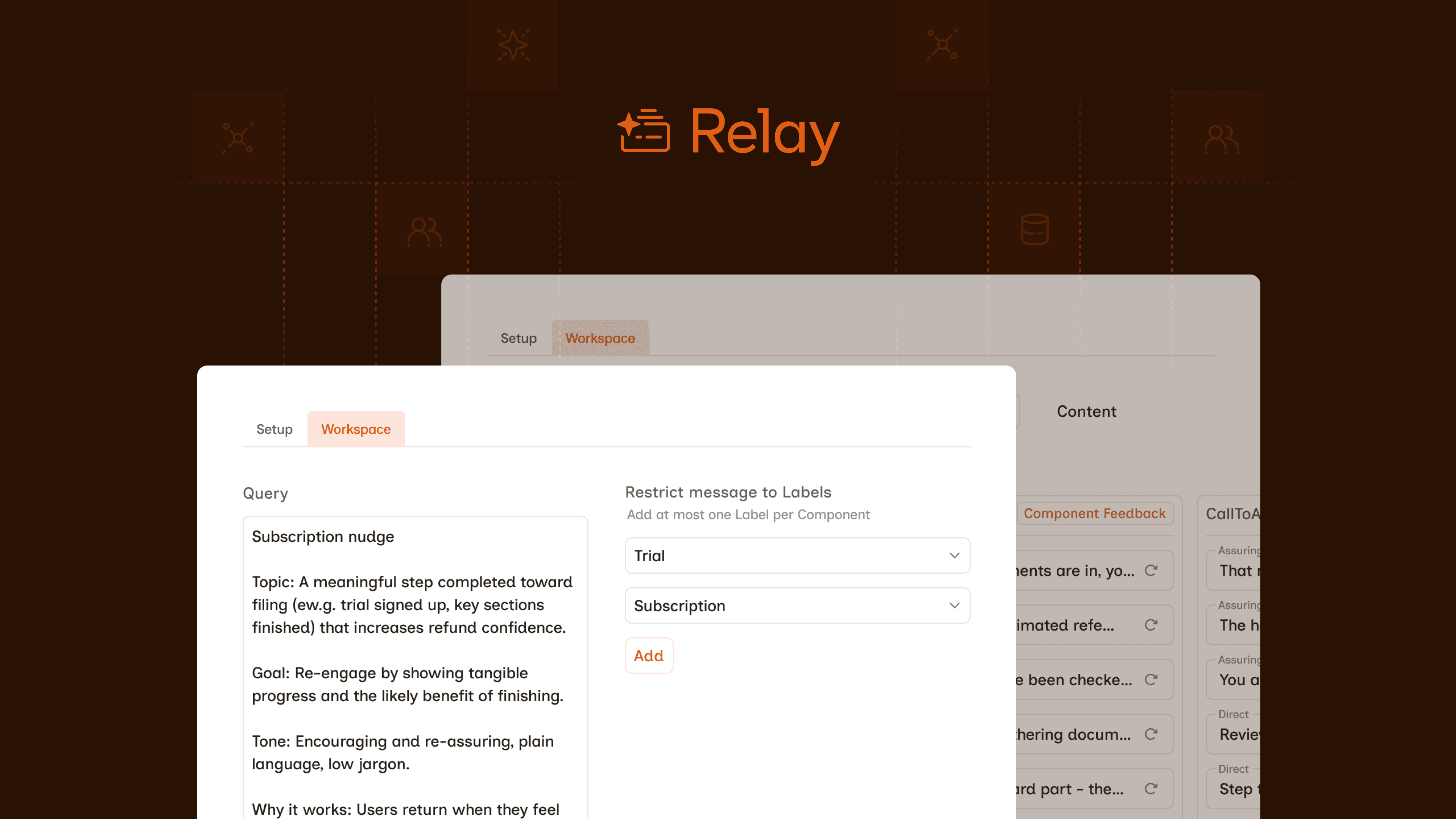
Relay doesn’t just generate messages — it generates content systems:
Structured into components (value props, CTAs, etc.)
Tagged with semantic labels that agents can reason about
Produced in enough variety to enable true experimentation
Designed to improve over time through evaluation
In short, Relay provides the fine-grained context marketing agents need — much like Instacart’s micro-model architecture provides the context grocery agents need — enabling fast, personalized responses that go beyond surface reasoning.
Why this matters for personalization and growth
Instacart’s challenge boils down to one thing: speed + context = relevance. If a system takes too long to reason, or lacks the right information, users abandon the experience. Marketing faces the same risk when content is treated as static: agents can’t personalize meaningfully, experimentation stalls, and experiences feel generic.
Relay’s structured content layer helps answer that — giving agentic systems:
Semantic context they can act on
Enough labeled variation to learn from outcomes
Guardrails that keep output consistent with brand and intent
In other words, it tackles the true barrier to agent-driven personalization: not writing more copy, but giving agents the right contextual building blocks to make decisions that feel personalized and purposeful.
Conclusion: Context is the next frontier. And Relay is built for it.
Instacart’s “brownie recipe problem” isn’t just a catchy metaphor — it’s a broader signal that AI systems only work when they understand both intent and context. Marketing is no exception. Teams need content systems that behave more like software — structured, semantic, and designed for evaluation — not isolated assets.
AI doesn’t fail at writing.
AI fails when it doesn’t have the right context to ground its decisions.
Relay fills that gap — enabling marketers to deliver agentic personalization at scale by turning content into the structured, semantic infrastructure modern AI systems require.
Learn more about Relay here. Or book a demo to see it in action.