Every marketing team has one.
The master campaign calendar. Product drops. Seasonal pushes. Influencer waves. Paid bursts. Email themes. Social content arcs. All perfectly sequenced across channels.
It represents strategy. Alignment. Momentum.
Now imagine handing that calendar to an AI system whose sole job is to maximize revenue, engagement or lifetime value of all customers in your system...
It wouldn’t follow it.
It wouldn’t wait for your summer launch date. It wouldn’t prioritize a hero campaign just because it took months to produce. It wouldn’t stick to a pre-set nurture flow if customer behavior suggests something else would convert better.
It would look at real-time signals – browsing behavior, purchase history, channel performance, creative fatigue – and make a different decision.
That tension is where consumer marketing is headed.
Campaign thinking vs always-on systems
For decades, consumer marketing has revolved around moments. Big launches. Seasonal pushes. Cultural tie-ins. Paid media flights.
We plan. We build assets. We launch. We optimize. Then we do it again.
That structure made sense in a world where distribution was scheduled and personalization was limited. But AI-powered systems don’t operate in bursts. They operate continuously.
An AI agent optimizing for retention or repeat purchase doesn’t ask, “What’s our next campaign?” It asks:
What message will drive action for this customer right now?
Which creative variant performs best for this micro-segment?
Is this user more responsive to urgency, exclusivity or education?
Has this audience seen this visual too many times already?
AI doesn’t operate on a calendar.
It operates on context.
When we layer AI onto traditional campaign workflows, we create friction. We ask adaptive systems to execute static plans.
The hidden bottleneck isn’t content volume
Most AI conversations in consumer marketing focus on scale.
More variations. More personalized emails. More dynamic product recommendations. More creative testing.
But the bottleneck isn’t production anymore.
It’s structure.
If your brand’s messaging lives primarily as:
Fully designed email blasts
Campaign-specific landing pages
Paid ads tied to seasonal themes
Slightly different versions of the same offer saved across teams
… then your AI layer has to guess.
Yes, AI can remix copy. Yes, it can test headlines. But it struggles to distinguish between core brand positioning and campaign-specific creative. It can’t always tell which claims are evergreen versus seasonal. It doesn’t inherently know which offer is valid for which region or which audience tier.
The result isn’t smarter personalization.
It’s scaled improvisation.
What AI-driven marketing actually needs
AI systems don’t need more finished campaigns.
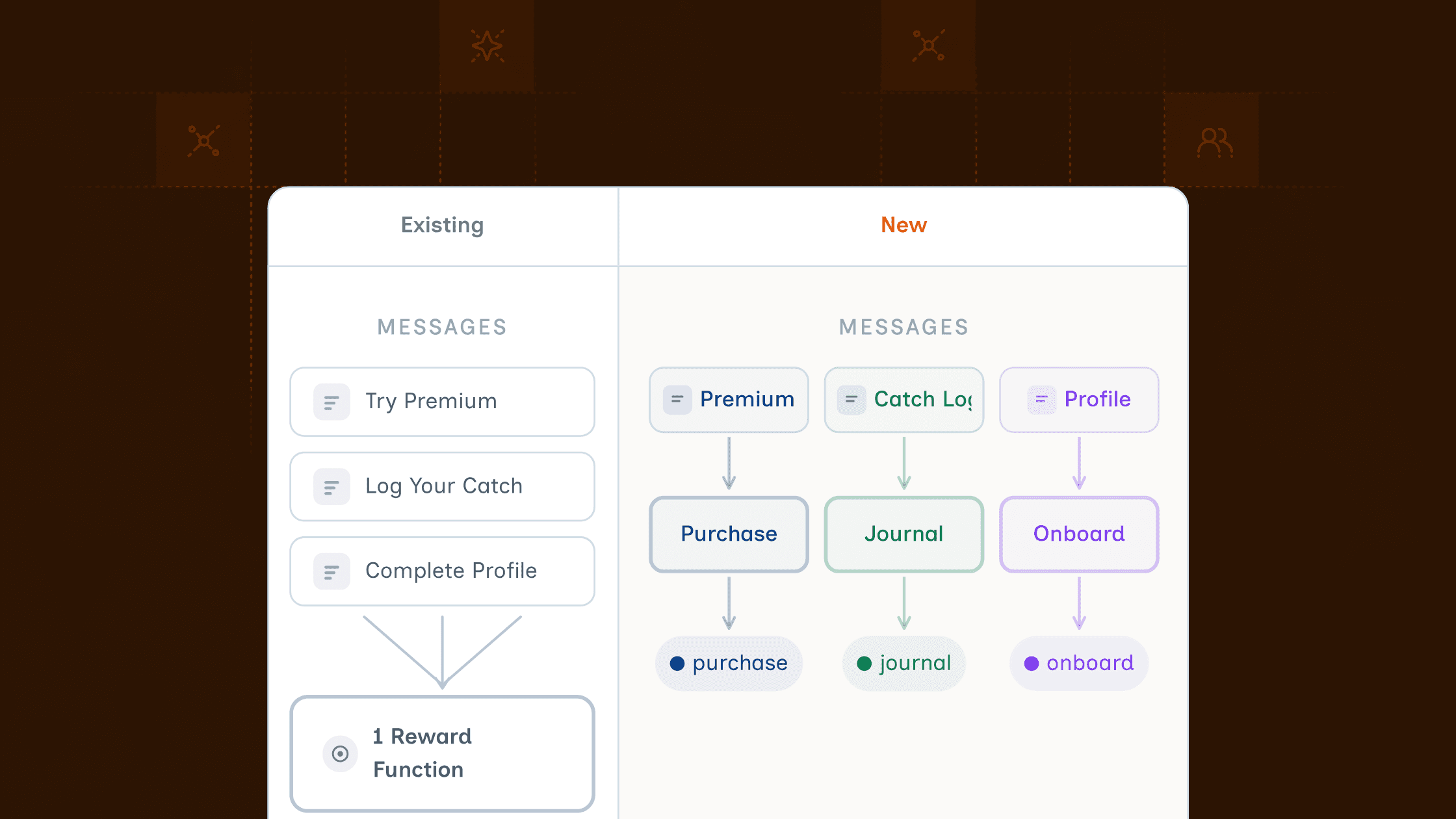
They need modular building blocks.
Instead of organizing messaging solely around launches, leading consumer brands are starting to think in terms of reusable components:
Core brand promises
Product-level value propositions
Audience-specific benefits
Approved proof points
Offer logic and constraints
Tone variations by channel
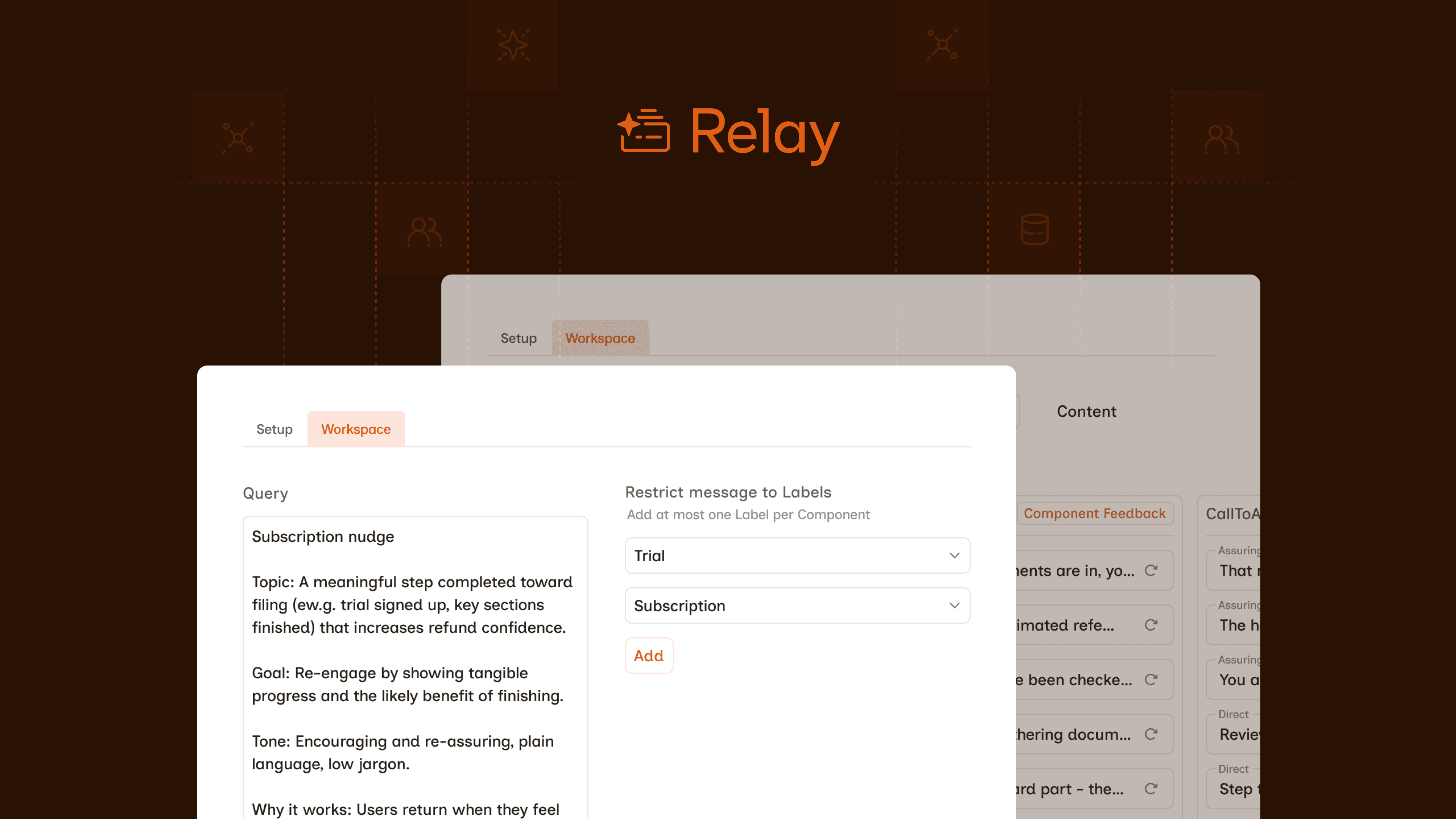
When these elements are structured and tagged – by segment, lifecycle stage, geography, channel or inventory constraints – AI can assemble high-performing combinations dynamically.
It can swap urgency for exclusivity. Education for inspiration. Discount for loyalty reward. All without rewriting the brand story from scratch.
This is the shift from campaigns as events to content as infrastructure.
Why this matters now
Consumer platforms are rapidly embedding AI decision layers.
Paid media platforms auto-optimize creative delivery. Ecommerce platforms personalize merchandising. Lifecycle systems determine next-best actions in real time. Retail media networks are becoming algorithmically driven ecosystems.
In that environment, the system making decisions isn’t a media planner or brand manager alone. It’s software.
And software requires structure.
If your messaging is tightly bound to seasonal campaigns and one-off creative executions, adaptive systems have limited material to work with. If your content is modular and interoperable, AI can continuously refine and redeploy it across channels.
The brands that win won’t just produce more creative. They’ll design for adaptability.
The new role of the consumer marketing leader
This isn’t about abandoning brand moments. Cultural relevance and storytelling still matter deeply.
But they can’t be the only organizing principle.
Forward-looking consumer marketers are starting to ask:
What are the core ideas that power our brand across campaigns?
How reusable are our value propositions?
Where does duplication exist across performance, lifecycle and brand teams?
Are we building assets – or are we building systems?
In an AI-driven world, leverage shifts upstream. The competitive advantage becomes clarity and structure, not just creativity.
When content is modular, AI becomes more controllable. Personalization becomes more precise. Creative testing becomes more efficient. Channel coordination becomes less manual.
You move from launching campaigns to managing a living system.
From launch cycles to continuous orchestration
Marketing has long been driven by moments: back-to-school, holiday, product drops, cultural tie-ins.
AI doesn’t eliminate those moments.
But it changes what surrounds them.
Instead of every campaign being a fresh build, it becomes a recombination of structured components. Instead of manually optimizing each channel, systems adjust based on live performance data.
Your campaign calendar won’t disappear.
But it may stop being the center of gravity.
Because your AI doesn’t care about your launch date.
It cares about what will perform – right now, for this audience, under these constraints.
The brands that thrive in an agentic era won’t just adopt AI tools.
They’ll redesign the foundation those tools depend on.
And that foundation isn’t another campaign.
It’s infrastructure.
As AI becomes the system making more and more real-time decisions across paid, lifecycle, ecommerce, and retail media, the limiting factor is no longer creative volume — it’s structure. That’s where Relay comes in. Relay helps brands transform campaign-driven messaging into modular, interoperable infrastructure: structured value propositions, tagged proof points, offer logic, and tone variations that adaptive systems can understand and deploy dynamically. Instead of asking AI to execute static plans, Relay gives it the organized foundation it needs to assemble high-performing combinations in real time — within clear brand guardrails.
Learn more about how Relay turns campaigns into adaptive infrastructure.